31 Days of Slashers: Cutting Class (1989)

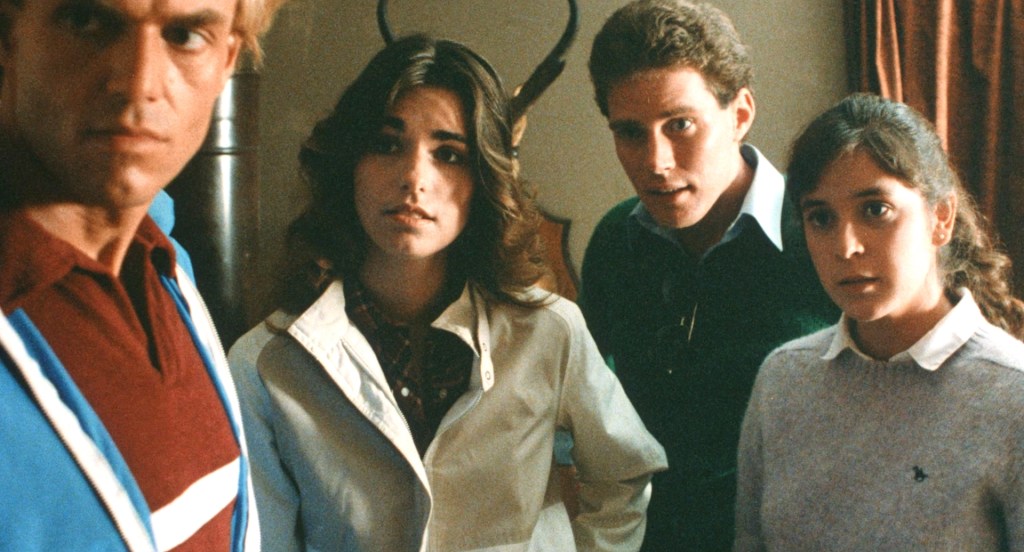
The fifth film in the 31 Days of Slashers series is Rospo Pallenberg’s Cutting Class (1989). Despite being one of Brad Pitt’s first leading film roles, this slasher comedy continues to be widely unseen outside of the circle of avid horror fans. If you’re looking to see a star-studded slasher this October, look no further. Brian Woods (Donovan Leitch) has been released from a mental institution, following the questionable death of his father. It’s back to school for Brian, where he meets Paula (Jill Schoelen) and quickly develops feelings for her, which does not sit well with Paula’s boyfriend Dwight (Brad Pitt). Grisly murders start happening on school grounds. Could Brian be the killer? Is anger pushing Dwight to commit murder? Or perhaps it’s the lecherous principal (Roddy McDowell)?

Cutting Class features an incredibly top-rate cast. Jill Schoelen proves to be a very capable and determined lead, while Leitch and Pitt play off each other quite well as two guys fighting for her affection. One of the more surprising elements of the film is the interesting casting of veteran actor Roddy McDowell as the particularly lusty Principal Dante who is also grossly interested in Paula. Just seeing this normally austere and comedic actor playing such a disgusting pervert is quite humorous. The ensemble assembled here works really well to give the audience multiple red herrings throughout the narrative. If I’m being honest, I was definitely fooled by one for the majority of the film. As a fun aside, we’re treated to a journey with Paula’s dad William (Martin Mull) as he tries to return to civilization following a hunting accident.
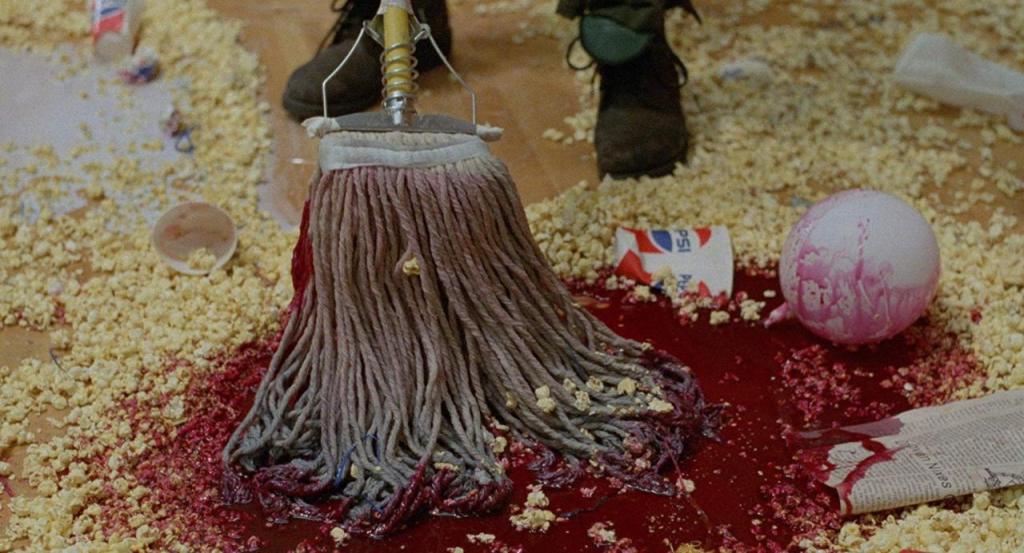
The high school setting proves to be quite effective for several of the grisly attacks. One particular scene involving the office’s copier is definitely a standout here. Pallenberg does a nice job of integrating the school setting into the mix, while also pointing out the comic moments of the slasher sub-genre. The film is also not afraid to shy away from the blood that naturally accompanies slashers.

Cutting Class falls in the middle of Jill Schoelen’s tenure in the horror genre in the late 1980s and early 1990s. In this time, she had lead roles in The Stepfather (1987), Curse II: The Bite (1989), The Phantom of the Opera (1989), Popcorn (1991), and When a Stranger Calls Back (1993). She was the epitome of the savvy, intelligent, and assertive Final Girl trope that slasher fans love so dearly. Following these roles, she worked on a few television projects but has not acted since 2004. Personally, I would absolutely love to see a Jill Schoelen comeback now. There are so many fun possibilities for roles within the genre that would fit her perfectly. The Vinegar Syndrome blu-ray of the film features a fantastic interview with Schoelen, as well, where she talks about her career at the time, her experience making Cutting Class, and more in such an intimate and engaging way. It is definitely a must-watch if you’re as big of a fan of her as I am.
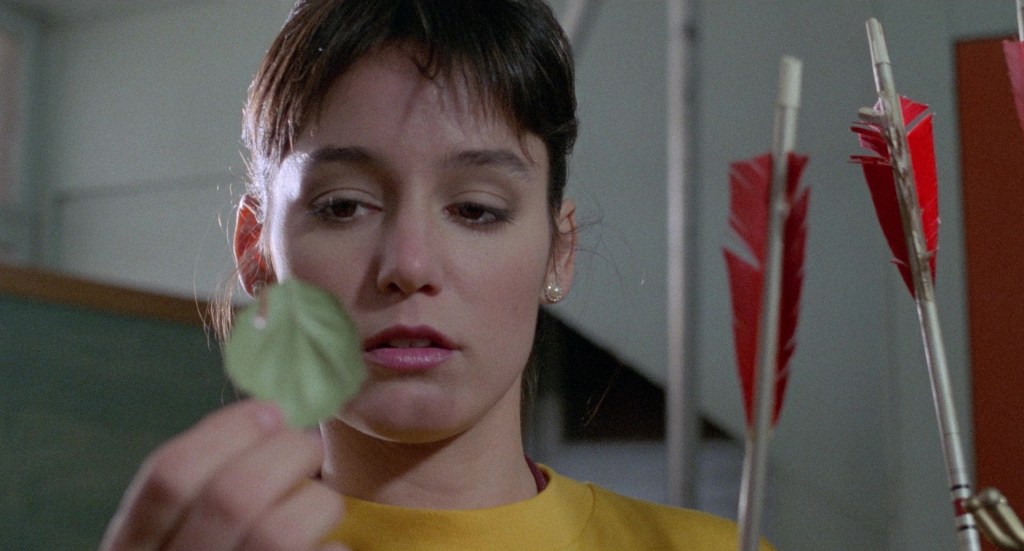
Cutting Class is a very entertaining slasher comedy that features an excellent lead in Jill Schoelen’s Paula, a fun early appearance by Brad Pitt, a really creepy and lusty Roddy McDowell, a humorous excursion with Martin Mull, and fun death sequences. Definitely add this to your list for fun horror films to watch this month!

Cutting Class can be streamed with a membership on the Showtime app or rented from the Alamo On Demand app. The blu-ray from Vinegar Syndrome, which again features a fantastic restoration and great special features, can be purchased HERE.

I will see you tomorrow with another entry in the 31 Days of Slashers series!
Standard

31 Days of Slashers: The Mutilator (1984)

Today’s entry in the 31 Days of Slashers series is The Mutilator (1984), also known as Fall Break. This fun slasher focuses on a group of college students staying at a beach house to enjoy their (you guessed it) fall break. Ed (Matt Mitler) has been asked by his father, Big Ed, to close up the family condo in North Carolina. Naturally, Ed’s friends are excited to spend some time at the beach and with each other. Unbeknownst to them, Ed accidentally killed his mother while cleaning one of Big Ed’s guns as a child. Could Big Ed be looking for revenge over the death of his wife after all this time?

The Mutilator offers a fun and occasionally cheesy trip to the beach with Ed and his friends, including a theme song called “Fall Break” that plays as the students drive to their destination. Buddy Cooper and John S. Douglass’ film features several death sequences that stick to the theme of the beach, involving pools, boat motors, fishing gaffs, and more. While not the most innovative in terms of contributions to the slasher sub-genre, The Mutilator remains an enjoyable and entertaining watch that you won’t regret adding it to your films to watch this month.

The fact that Ed accidentally killed his mother when he was a child adds a layer of trauma that most slasher film protagonists don’t necessarily have to contend with. This makes Ed a sympathetic lead while also greatly complicating his character’s backstory. The Mutilator also differs from the majority of slasher films of the time in that it has a Final Boy lead instead of the traditional Final Girl figure. It also incorporates more disturbing death sequences than some of the less aggressive slashers. Forcing Ed to deal with the trauma of his youth and confront his father’s hatred of him serves as a very intriguing narrative in what could have easily just been a cookie cutter slasher with a bland masked killer. Knowing the motive behind the murders adds a small dose of reality to the mix that is definitely missing from films with unstoppable killing forces (Jason, Michael, etc.).

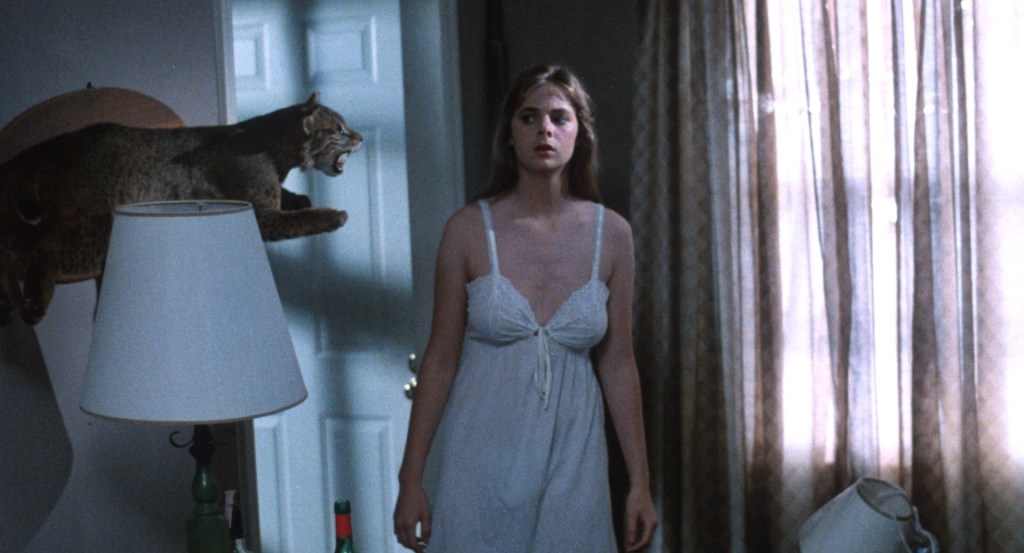
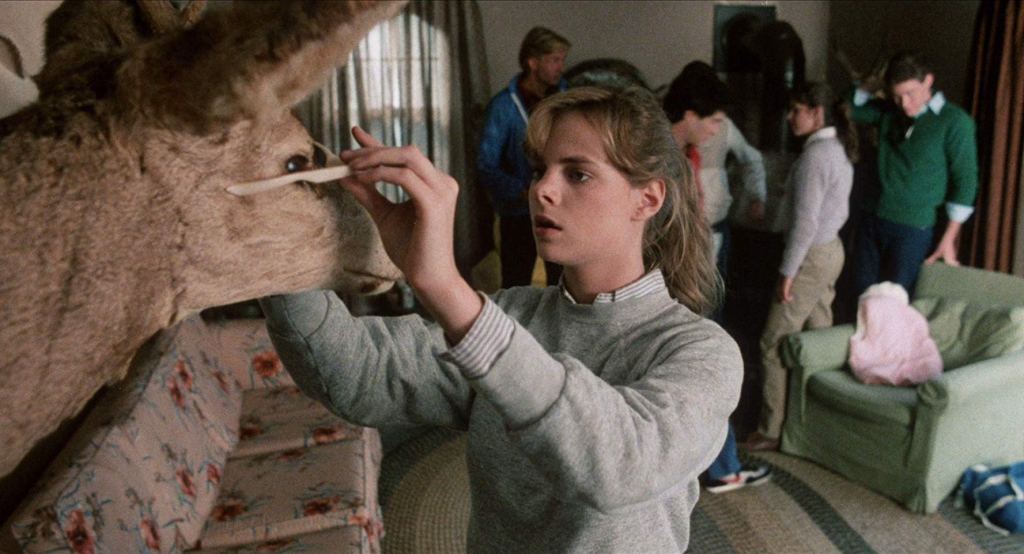
While perhaps not a horror masterpiece, The Mutilator stands as a fun and campy, but also disturbing, slasher film that is definitely one to seek out this month. What’s not to love about a slasher film with its own theme song? And just look at all of those taxidermy animals on the wall of the beach house. There’s just something great about a slasher film set at the beach.

The Mutilator can be streamed for free on TUBI, and also streams with a membership on the Arrow Player app. It can be rented from Amazon, Google Play, and Youtube. You can buy the Arrow blu-ray which features a great restoration and excellent special features HERE.

I’ll see you tomorrow with another entry in the 31 Days of Slashers series.

Standard

31 Days of Slashers: Valentine (2001)

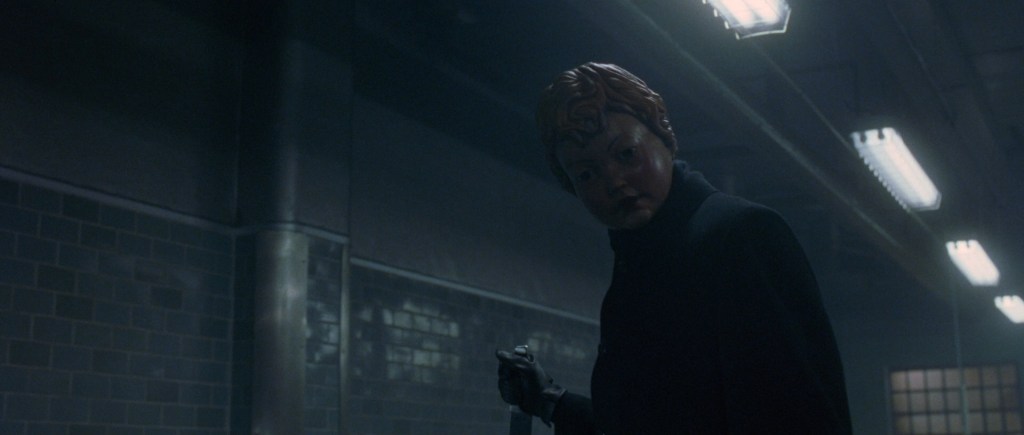
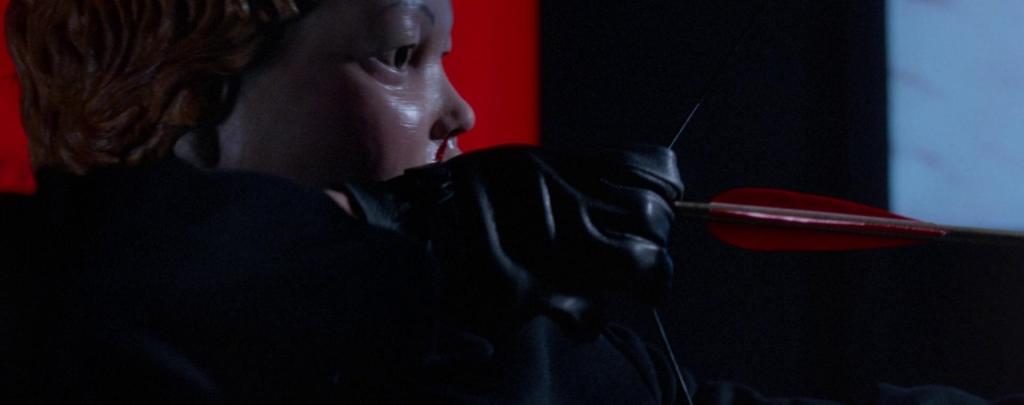
Today, we’re taking a look at an incredibly entertaining holiday slasher. While a film set on Valentine’s Day might not be the traditional watch in October, Jamie Blanks’ Valentine is a joy to watch at any time of the year. It is a fun take on the masked killer concept popularized by Halloween, Friday the 13th, and Scream, but features an oddly creepy Cupid mask as the guise of the film’s killer. At their eighth grade Valentine’s Day Dance, popular girls Shelley, Lily, Paige, and Kate are asked to dance by Jeremy Melton. The girls all refuse him, while their less popular friend Dorothy agrees to dance with him and the pair end up kissing under the bleachers. When discovered by the school bullies, Dorothy is embarrassed and falsely claims that Jeremy forced himself on her. The bullies beat Jeremy until his nose bleeds and he is soon sent to a juvenile detention center and eventually a mental institution. Thirteen years later, a killer in a Cupid mask murders Shelley. Coming together for her funeral, Paige (Denise Richards), Kate (Marley Shelton), Dorothy (Jessica Capshaw), and Lily (Jessica Cauffiel) find themselves the targets of the killer. Could it really be Jeremy Melton returning to exact vengeance on them?

The cast is one of the strongest elements of Valentine. Denise Richards turns in an incredibly entertaining and fun performance as Paige. Marley Shelton is also a great lead as Kate. The four main characters have a really natural and engaging chemistry and compliment each other extremely well. David Boreanaz also turns in a solid performance as Kate’s boyfriend Adam. Blanks utilizes very intricate and wild death sequences throughout the film, which make it stand out from other early 2000’s slashers. One that is particularly memorable involves cupid’s arrow and a plummeting fall. Suspense is built nicely throughout the film, as more clues begin to appear and more deaths occur.

The slasher films of the late 1990s and early 2000s are usually looked down upon as mere copies of Wes Craven’s iconic Scream. While that may clearly be the case for some, Jamie Blanks directed two vital slasher films in that time period with Valentine and Urban Legend. Blanks pays tribute to the genre while also paving a new path with Valentine. It pairs beautifully with the 1981 My Bloody Valentine, if you’re looking for a fun Valentine’s Day double feature. Holiday slashers may seem a tad cliché to some, but Valentine holds its own and proves to be an original and very well-made film of the time period.

With its entertaining death sequences, excellent cast, and a nostalgic early 2000s aesthetic, Valentine is a must-watch for those looking for a very fun and appealing slasher this October. It is one that has been a favorite of mine since I first watched it with my friends in high school, and will continue being a yearly rewatch for me.

Valentine can be streamed for free on Tubi and rented from Amazon, Vudu, Google Play, and iTunes. You can buy the Shout! Factory blu-ray which also features a great restoration and excellent special features HERE.

I will be back tomorrow with another entry in the 31 Days of Slashers series.

Standard

31 Days of Slashers: Eyes of a Stranger (1981)

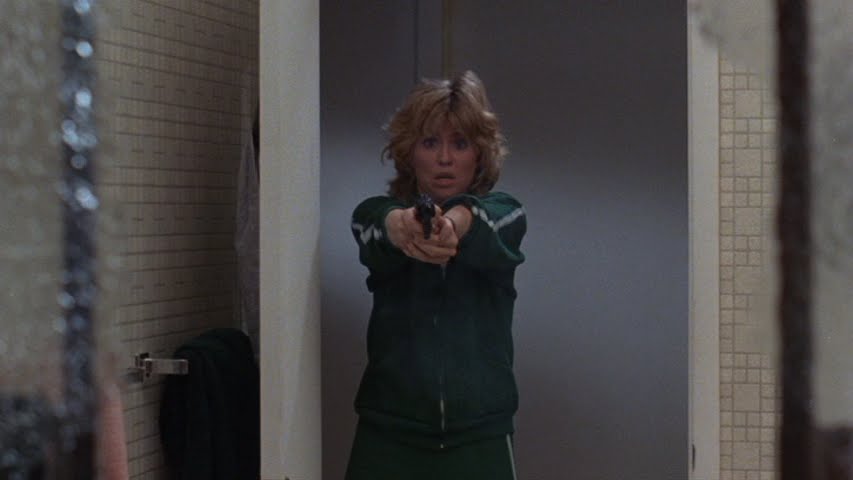
Today’s entry in the 31 Days of Slashers series in 1981’s Eyes of a Stranger. Ken Weiderhorn’s film is a gory and disturbing take on Alfred Hitchcock’s Rear Window. Instead of the protagonists looking into the murder of their neighbor’s wife, newscaster Jane Harris (played by The Love Boat’s Lauren Tewes) begins to suspect that her neighbor might be the murderer/rapist that has been brutally murdering women in Miami. She has been covering the murders for her news program and discovers that the victims get phone calls right before they are killed. She lives with her blind and deaf-mute sister Tracy (Jennifer Jason Leigh in her first film role). As Jane gets closer to the truth, she discovers that she and her sister might just be the next targets of the killer.

The incredibly tense moments of suspense are what sets this film apart from other films of the period. There are sequences where Jane is investigating her neighbor that genuinely capture the same level of suspense when Grace Kelly’s Lisa sneaks into the murderous neighbor’s apartment in Rear Window. The film also features practical gore effects by Tom Savini, known for his work on Dawn of the Dead (Romero, 1978) and Friday the 13th (Cunningham, 1980). It is important to note that as the killer in this film is also a rapist, this film does deal with themes and brief images of sexual assault. Eyes of a Stranger also differs from similar slashers and thrillers by showing the audience who the killer is at the beginning of the film. It is Jane who is unsure of his identity and seeking to prove her theory throughout the film.

Most of the critical attention for the film focused on Jennifer Jason Leigh’s strong performance as Tracy, which is understandable as she does give a great turn as the blind and deaf-mute character. They completely overlook Lauren Tewes’ performance as Jane, however, which I believe is the strongest element of the film. Many just remember Tewes as the chipper cruise director Julie on The Love Boat, which I have always really enjoyed. But in Eyes of a Stranger she goes against type and delivers a really excellent performance. Jane is an incredibly active and assertive lead and is willing to put herself in danger to solve the mystery. The film also focuses on her struggles with misogyny and sexism at the TV station that she works at, as her male co-worker don’t feel that she is up to covering such challenging stories.

Unlike some of the campy and more light-hearted slasher films that I will be featuring this month, Eyes of a Stranger is a disturbing and harrowing thriller. With strong performances from its two female leads, excellent practical gore effects, and an incredible knack for creating edge-of-your-seat suspense, Eyes of a Stranger is a must-watch if you’re looking for a film to shake you up this October. While the film may be a tough watch at times, it is beyond rewarding to see Lauren Tewes kick ass as Jane.

Eyes of a Stranger can be rented from Vudu, iTunes, Google Play, and Amazon. You can purchase the Shout! Factory blu-ray, which features an excellent restoration and great special features HERE.

I’ll see you tomorrow with another entry in the 31 Days of Slashers series.

Standard

31 Days of Slashers: Graduation Day (1981)

It’s finally October! While I have been watching horror films regularly throughout the year, a lot of folks like to wait until spooky season to start viewing their favorite scary flicks. To help celebrate, I thought it would be fun to highlight a different slasher film every day for the month of October. Like everyone, I have my go-to slasher franchises that I like to revisit every year: Halloween, Friday the 13th, A Nightmare on Elm Street, Texas Chain Saw Massacre, and so on. Even if you’re not a fan of the sub-genre, these films and their iconic killers are deeply imbedded in the cultural zeitgeist. Everyone has heard of Michael Myers, Freddy Krueger, and Jason Voorhees. As these films are discussed so frequently, particularly with their latest remakes and reboots coming out in theatres, I thought it would be fun to shed light on slasher films that are not so commonly consumed. So, I will be looking at slasher films outside of the main franchises.

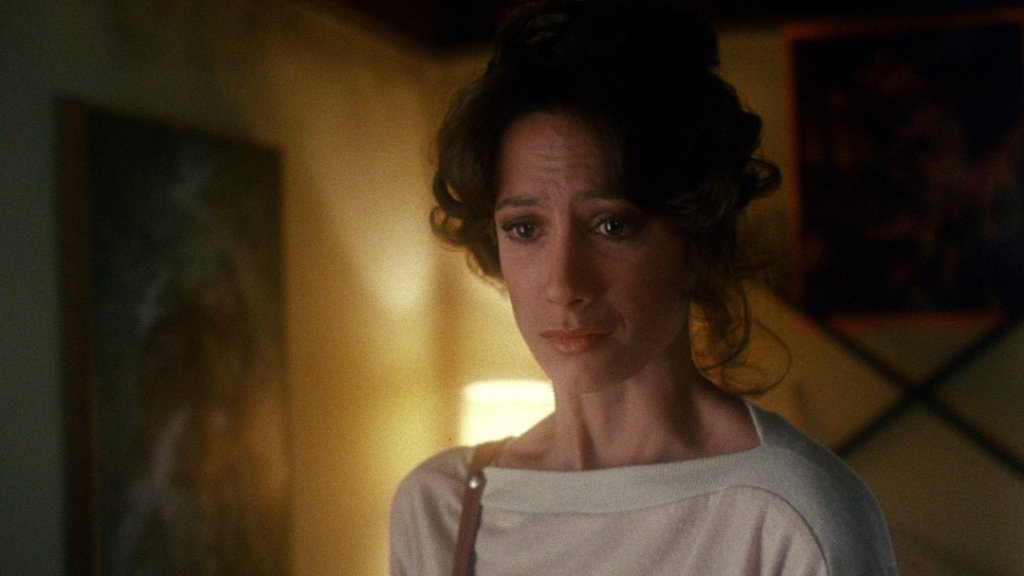
The first slasher in the 31 Days of Slashers series is: Graduation Day (1981). Herb Freed’s film focuses on Anne Ramstead (Patch Mackenzie), a US Naval officer who returns home following the death of sister Laura. The film begins with Laura collapsing during a track meet resulting in her death from what seems like a heart attack. Anne arrives home two weeks later to help the school honor her late sister at the graduation ceremony. More track athletes begin to die in grisly ways and Anne finds herself in a dangerous situation. Who is killing off the track athletes one by one? Are they going to come after Anne too? You’ll just have to watch this fun slasher to find out.

Graduation Day makes great use of track and field equipment and settings to feature unique and fun death sequences. The genre is generally regarded as a showcase for practical blood and gore effects, and this film is no different. Freed was clearly having a good time staging these sequences. Anne is also a great addition to the genre’s history of Final Girl characters. She is a strong-willed military officer who obviously knows how to take care of herself and can engage in hand-to-hand combat when necessary, setting her apart from the younger Final Girl figures who are still discovering themselves. When she is introduced, Anne is already more than capable and determined to solve the mystery of how her sister died.

While the murder of the members of the track and field team may seem a bit formulaic and similar to many other teen slasher films set in high schools, Graduation Day sets itself apart through its technical merits. Martin Jay Sadoff provides the film with very engaging transitions and editing throughout the film, greatly heightening the tension in moments of violence and suspense. Many look past the film as nothing more than a continuation of the knock-offs of Halloween and Friday the 13th, but I think that is unfair. The look and editing of the film and the fun fencing costume of the film’s killer set this one apart from the generic fair that was frequently pumped out for a simple profit. Another fun thing that works in the film’s favor is the use of the killer’s stopwatch to build suspense and get the viewer to guess the identity of the murderer.

Anyone who knows me knows that I love an awkward dancing sequence in a slasher film, particularly when there is a live band playing. There’s just something so dated and charming about seeing these Disco scenes with their colorful lights and cheesy music. They really provide a fun timestamp to the films and ground them in the year that they were made.

Graduation Day can be rented on Amazon, iTunes, and Google Play. The excellent blu-ray/DVD set can be purchased from Vinegar Syndrome HERE. As always, the Vinegar Syndrome set features a wonderful restoration and fantastic special features. Graduation Day is an enjoyable slasher that provides fun death sequences that fit nicely into the track and field theme of the film, a solid and strong-willed protagonist in Anne, and innovative editing that sets the film apart from many of the generic slasher films of the time period. It is a great addition to your Halloween film list for the month!

Note: The trailer contains spoilers of the film’s death scenes. If you don’t want to spoil any surprises, just go ahead and watch the film first. That being said, this one has a really fun trailer.

I’ll see you tomorrow with another fun slasher film to check out in the 31 Days of Slashers series!

Standard

Barb and Star Go To Vista Del Mar: The Film We Need in 2021

It’s officially been a year since the pandemic began. 2020 was a year full of death, illness, incredibly challenging and confrontational political events, and isolation for many. I lost my job due to the pandemic and working on my dissertation full-time has been particularly taxing on top of everything. Film was one of the main things that helped get me through the hell of 2020. I went from one 80s slasher film to the next at the beginning of the official quarantine. I watched every James Bond film and ranked them. I made my way through countless horror franchises (Halloween twice, obviously!). Needless to say, film was a pretty intense coping mechanism that helped me deal with the stress and anxiety of the year. As 2021 began, things continued to escalate with an attempted insurrection and all sorts of other nonsense, and then a ray of light arrived at just the right moment. And that ray of light is a little film known as Barb and Star Go To Vista Del Mar.

After being pretty disappointed with the release of Wonder Woman: 1984, I left the film with an appreciation for Kristen Wiig’s performance as Barbara Minerva, the individual savior of the troubled film. To say that Wiig carried the film on her back would be an understatement, if anything. It was as if every other performer was simply going through the motions. Wiig, alternately, shined through all of the mediocrity to showcase her humor and talent in a film that did not deserve her. A role in a blockbuster superhero film was not all that Wiig had rolled up her sleeve during the pandemic, however. Originally intended to be released in the spring of 2020, Barb and Star was pushed back due to the pandemic and was released through the theatrical rental at-home system that is becoming increasingly popular. The film is the product of the creative zaniness of Wiig and her co-star Annie Mumolo, who finally gets to shine after years of smaller roles and bit comedic parts.

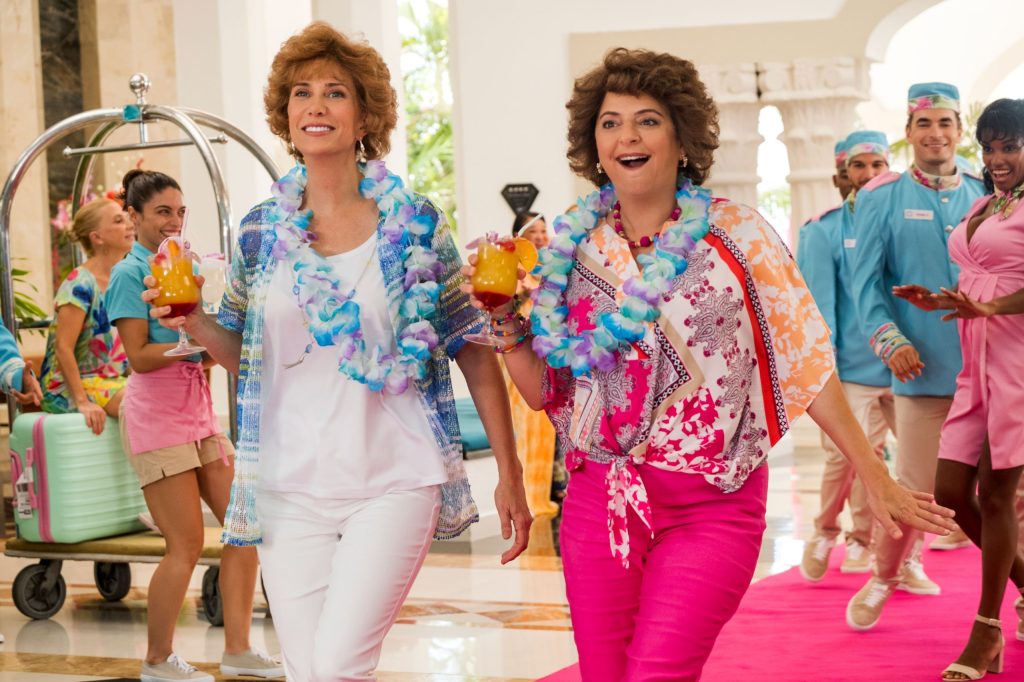
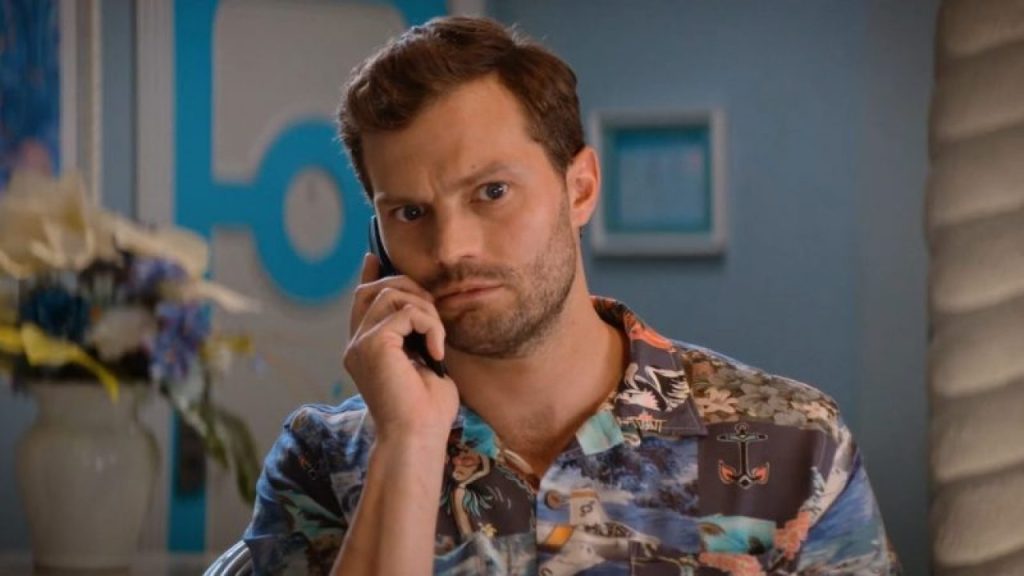
Barb and Star Go To Vista Del Mar is the epitome of a “feel good” film. It’s a truly zany comedy that features so many over-the-top moments (even a few glorious musical numbers), an aggressively bright color palette, a genuinely funny and very physical performance from Jamie Dornan, and the escapist images of a beach paradise that we needed during the dreary early months of 2021. Barb and Star are two of my favorite characters that I have encountered in a film in quite a while. They manage to be vivacious, raunchy, charming, and hilarious all at once. These are two iconic comedic performances that deserve to be remembered for years to come. This is also just a truly odd film. Narratively it jumps from spy film parody to romantic comedy to buddy comedy to musical and back again many times over. Some might find that a bit distracting. I found it incredibly entertaining, as all of the elements were perfectly constructed and added new layers of comedy as the film progressed.

Many have praised Kristen Wiig for her performance in Bridesmaids (a film that was also written by Wiig and Mumolo), which continues to be a film that I very much enjoy. But I found her performance here to be even more developed and effective. I was so enamored with these incredibly odd characters that she and Mumolo have created. They just really commit to their eccentricities and the viewer is simply along for the enjoyable ride.

If you think of Jamie Dornan as simply Christian Grey from Fifty Shades of Grey, he will definitely surprise you here. While he gives stilted and bland performances with his co-star Dakota Johnson in those films, as both were clearly just riding them out for the paychecks (much like their Twilight compatriots), here he is visibly enjoying working with these incredibly funny women and we see him deliver a very earnest and comedic performance. You can just tell that everyone involved here is having a blast working on this film.

The soundtrack is also just as fun as the film, itself. I’d suggest waiting to do that Spotify search until after watching the film, though, as there are so many comedic moments that happen as the result of song selection. Matching the wackiness of the narrative, the soundtrack incorporates songs that encapsulate who these women are and perfectly highlight the vibe of the film. The movie also features many cameos from folks that will have you laughing heartily and one that had me gasping in surprise.

Is Barb and Star Go To Vista Del Mar the best film of all time? No. But is it an incredibly enjoyable and hilarious bit of escapism that is necessary and vital in 2021? Definitely. This is a film that I have been recommending to all of my friends, who, after watching it, have all stated that they find it just as funny as I do. In closing, just do yourself a favor and rent Barb and Star Go To Vista Del Mar. If you’re like me and need a fun escape from the stress of the pandemic, this is the film to check out. It wears its brand of kitsch and camp on its sleeve proudly (along with its love of culottes) and never shies away from being truly zany. Personally, it is the most enjoyable film that I’ve watched in ages, and that definitely counts for something right now.

Standard

Review: Dykes, Camera, Action!

Film Critic B. Ruby Rich shown in Dykes, Camera, Action!

New Queer Cinema is a film movement that I have researched for my academic work throughout grad school. It’s something that I have been interested in since college when I was first really exposed to more challenging queer cinema. Coming from a more rural area in Ohio, it’s not always easy to seek out LGBTQ-driven narratives at your local Cinemark. Growing up, I can’t even think of one film that played at our multiplex that was considered a queer story, but when I was in high school, our town was lucky enough to get a small independent movie theatre known as “The Big Picture,” which tragically closed after only a few years of showcasing independent and foreign films, as well as fun late-night horror film screenings. It was here that films like Brokeback Mountain were shown to our community. Even at this theatre, however, a film like that was still a rarity.

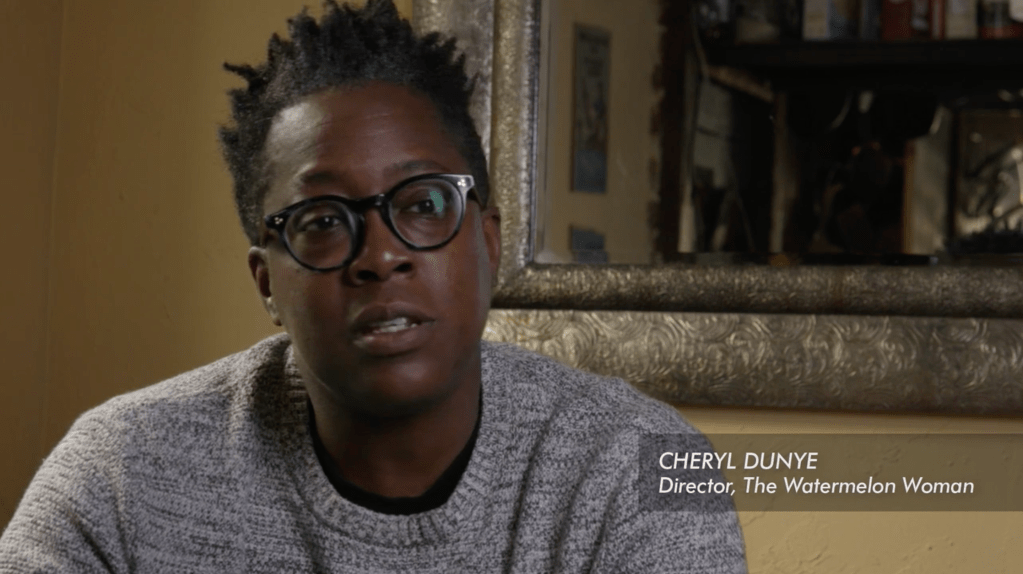
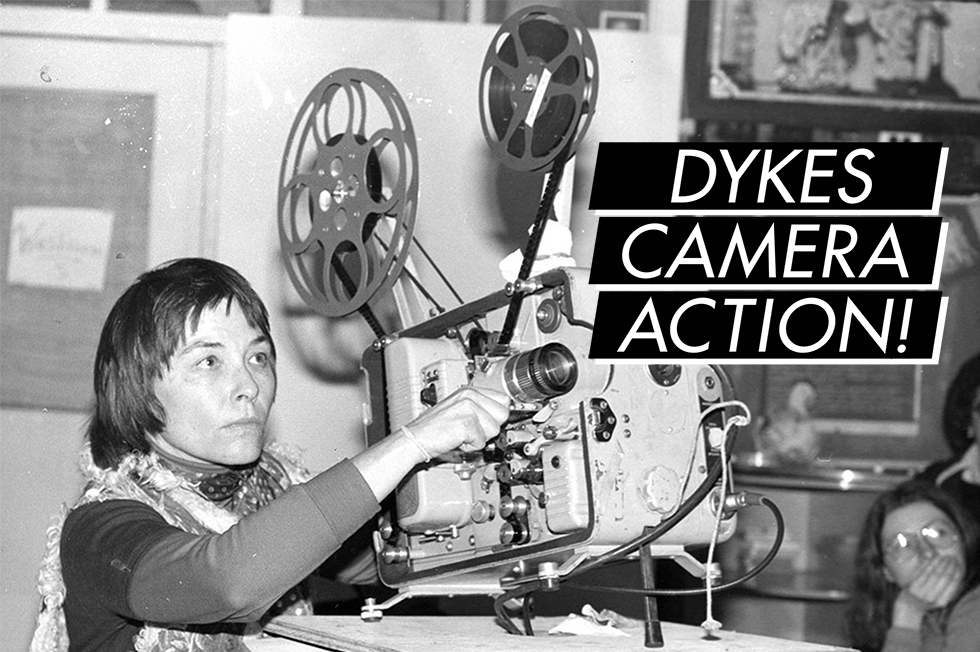
Caroline Berler’s documentary Dykes, Camera, Action! fuses the history of lesbian activism and lesbian cinema to weave the tales of these queer filmmakers that broke barriers to finally give voice to their experiences. Using very engaging interviews with key figures of lesbian cinema (Rose Troche, Cheryl Dunye, Lisa Cholodenko, Barbara Hammer, and Su Friedrich) as well as current lesbian filmmakers on the rise (Yoruba Richen, Desiree Akhavan, and Vicky Du), Berler shows just how drastic the impact of these earlier works have been on the younger generation of filmmakers. We see the transition from Barbara Hammer’s experimental lesbian films of the 70s to Rose Troche’s portrayal of realistic contemporary lesbians of the 90s in Go Fish to Cheryl Dunye’s search for classic examples of queer Black women in The Watermelon Woman and much more. This finally leads to the current state of lesbian portrayals in post-gay marriage society with films like The Kids Are All Right.

Iconic Lesbian Filmmaker Barbara Hammer

When looking at documentaries that focus on queer cinema, the majority of attention is generally placed on white gay male narratives. Caroline Berler more than succeeds in her goal of shifting that focus. In her film, Berler shines the light solely on queer women making films for queer women. Diving into an even more ignored population, the documentary deals heavily with queer women of color. Many of the interviewees in the documentary talk at length about how the main goal in their film work is to simply tell the stories of their communities that they were not able to see on the screen in mainstream Hollywood films. Hearing these stories from well-established lesbian filmmakers like Dunye and Troche makes the documentary all the more effective when you hear the younger lesbian directors speak about how these films made them feel seen and motivated them to pursue filmmaking as a result.

For someone who has a decent background in studying queer cinema, several films were discussed that I had not seen. Naturally, I was jotting down the names of these films to add to my watch list! If you have any interest in lesbian film, you’ll be doing the same. The documentaries and films that were made by the Lesbian Avengers, a queer and feminist activist organization, are just a few that I’m very excited to seek out.

Cheryl Dunye being interviewed in Dykes, Camera, Action!

Film history is ruled by the patriarchy. Male filmmakers are raised up on pedestals that female filmmakers simply do not have access to. But slowly, with films like this, that hyper-unbalanced system is beginning to change. With mainstream films made by straight men (Brokeback Mountain, etc.) so often drawing the focus away from these talented directors, we need more films like Dykes, Camera, Action! to showcase the work of queer filmmakers that have been pushed to the side and further marginalized. Caroline Berler’s documentary is necessary viewing for anyone hoping to learn more about queer women making films.

Dykes, Camera, Action! packs in such a wealth of information in its short 60 minute running time. This is a documentary that will have you seeking out all of the films showcased that you haven’t seen already, and even want to rewatch those that you have. I also really loved how the interview with film critic B. Ruby Rich (the creator of the term “New Queer Cinema”) was used to highlight the chronological history of lesbian cinema throughout the documentary. If you are looking for a documentary to explain the evolution of lesbian cinema, this is the one for you! It features great interviews with so many of the key lesbian filmmakers, clips from their films, and connects everything with the history of queer activism. My only complaint is that I wanted more when the film ended.

My rating: 4.5/5

Dykes, Camera, Action! is currently available to rent through iTunes and is distributed by Frameline Distribution. More information on the film can be found at: https://www.dykescameraaction.com/.

Standard

Review: Malcolm and Marie (2021)

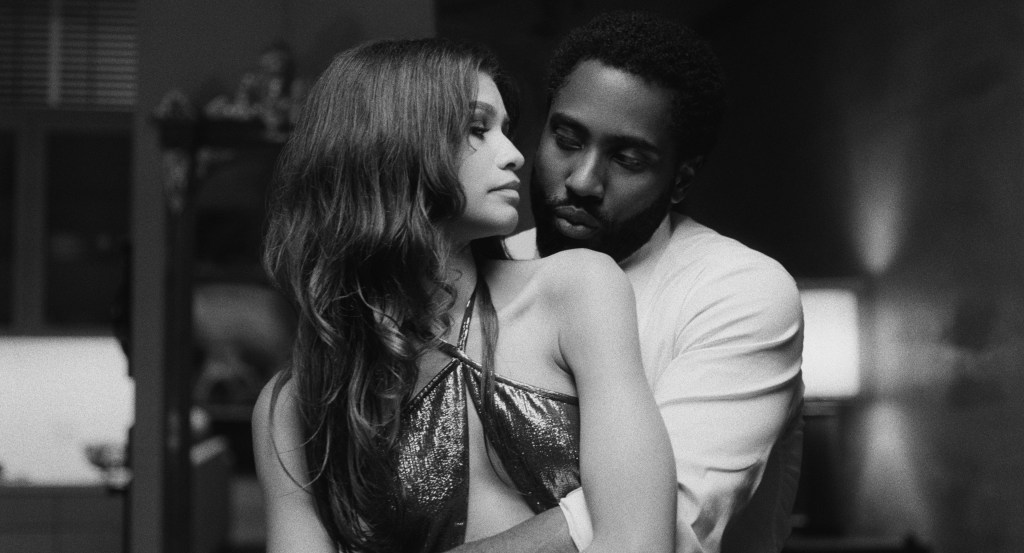
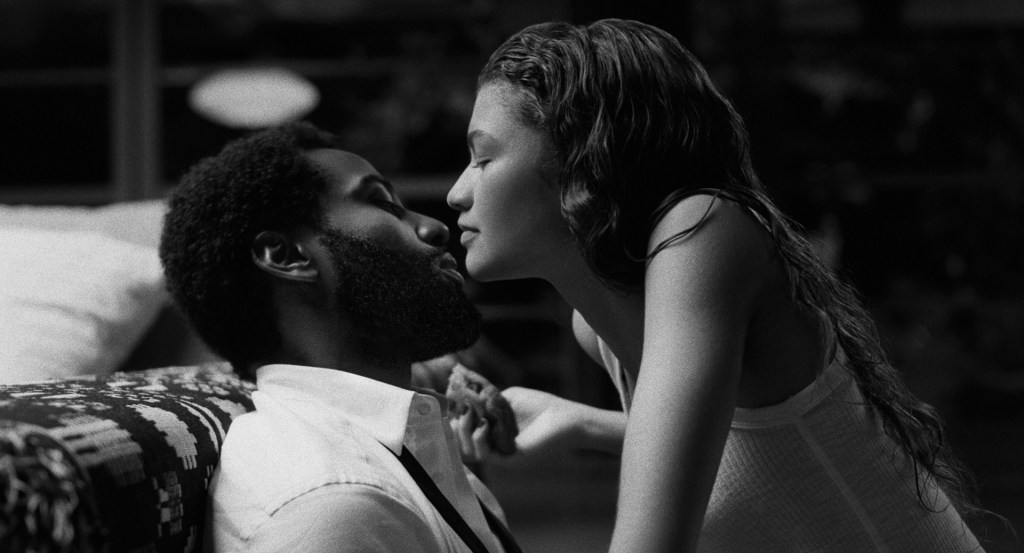
From the opening frame of Malcolm and Marie (Sam Levinson, 2021), it’s clear that the entirety of the film that follows will be beautifully shot as we get to know the titular couple. Director Sam Levinson is the creator of HBO’s Euphoria, a show that highlights the incredible performance and acting skillset of Zendaya who plays Marie here. Levinson’s third feature film is not heavily plot-driven. Instead, Malcolm and Marie is a tense character study of two people in a troubled and complicated relationship, relishing in their moments of bitterness and contempt, but also in the sensuality shared between the two.

Cinematographer Marcell Rév chooses to showcase the lengthy conversations between Malcolm and Marie with incredibly intimate camerawork. The beginning sequence where filmmaker Malcolm is telling Marie about the critics of his work that are stating that he will be the next Spike Lee, John Singleton, and Barry Jenkins, is one long take with the camera dollying from left to right and back again as the conversation goes on. Rév follows Malcolm as he walks throughout the living room and slowly returns to Marie as she smokes reflectively in the open doorway. This moment sets a tone for the couple’s dynamic throughout the film. We’re also given handheld camerawork that pits us right in between the couple as they talk, fight, and make love. The stark black and white images are used to devastatingly beautiful effect. Every image just pops.

Zendaya (Euphoria, The Greatest Showman), once again, proves that she is beyond capable of commanding a space. Her subtle expressions and slight inflections in her vocal choices escalate the tension between the feuding couple without her having to raise her voice and when it is finally raised, you really feel the intensity. In the middle of the verbal altercations, Zendaya will sit or stand silently for a beat, contrasting with the more vocal Washington. There’s a really fantastic quiet moment where Marie plays a song on her phone while she and Malcolm sit outside smoking that showcases all of her emotions without relying on any dialogue at all.

John David Washington (BlacKkKlansman, Tenet) is also doing strong work here as Malcolm, but relies more on volume increases and movement. That is the intent of the character, however. We’re able to read him fairly clearly throughout the film, while he is trying to decode how Marie feels after his forgetting to thank her in his film premiere speech. Washington also delivers very effective and emotive rants in several moments throughout the film. It’s incredibly impressive that Malcolm’s rants are shown in long takes, proving that Washington just truly inhabits the character.

Malcolm and Marie is a great example of a film that was safely shot during the COVID-19 pandemic. The entirety of the film takes place in one small location and Zendaya and Washington are literally the only two performers in the space. In the press kit provided by Netflix, they discuss just how careful they were with social distancing, testing, etc. It’s nice to see something creative and impactful born out of a pandemic tragedy. I’m definitely interested to see more work made during this time.

Malcolm and Marie premieres tomorrow (February 5th) on Netflix. If you’re looking for an emotionally complex film that shines a light on the flawed relationship between two people while utilizing stunning images to show us the true nature of both characters, definitely give this one a go. This is not simply a sensual romance, it is a gritty and troubling examination of a modern relationship. I also loved the many discussions on film, production, and social issues in contemporary cinema. It features a really great score that perfectly encapsulates the emotional and sexual tension in the film. Check this one out!

Rating: 3.5/5

Standard

Sundance Film Festival 2021: The World to Come

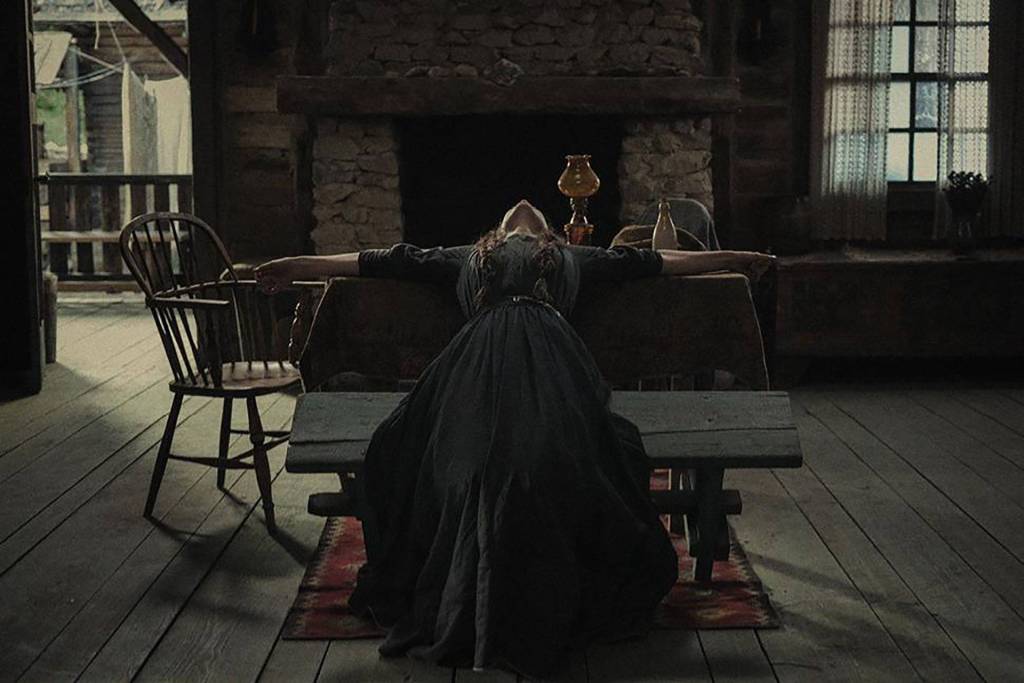
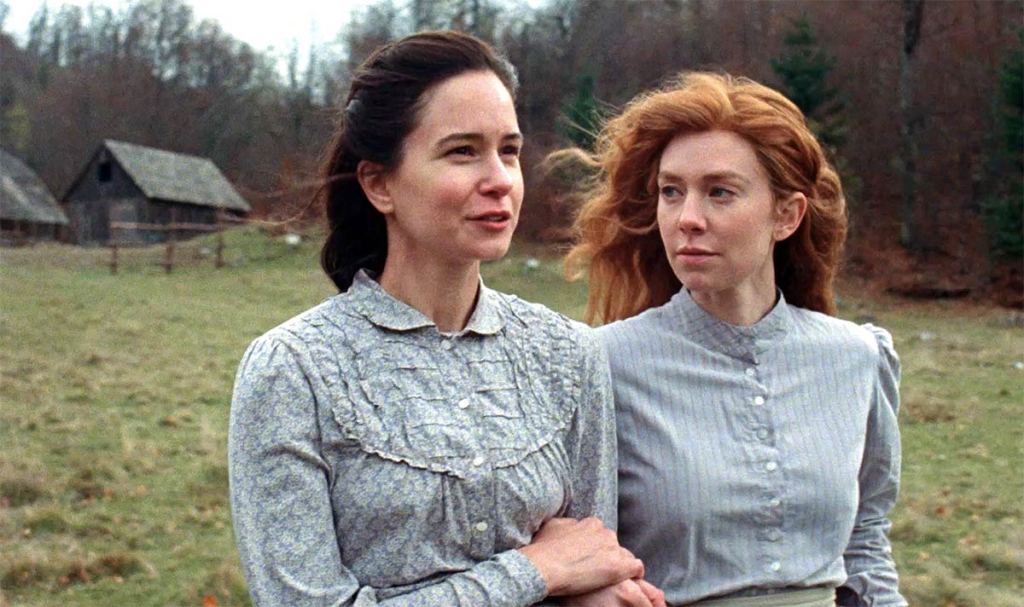
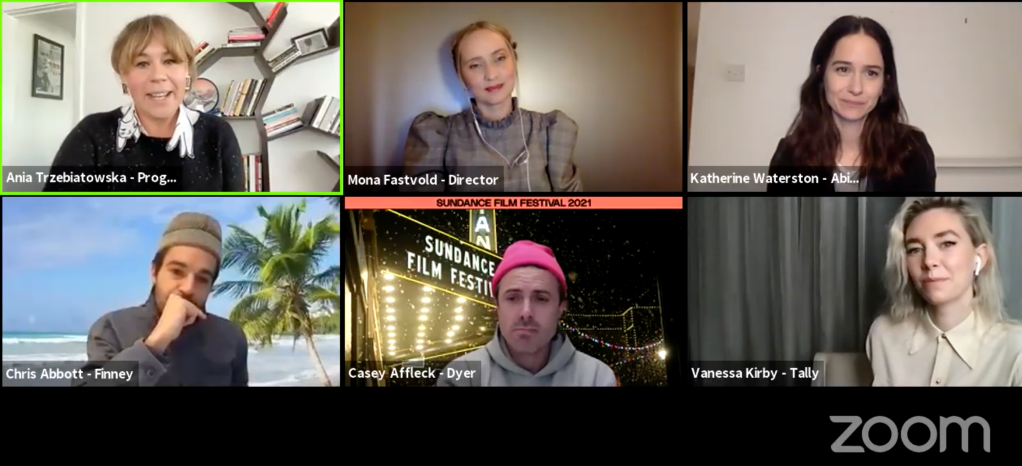
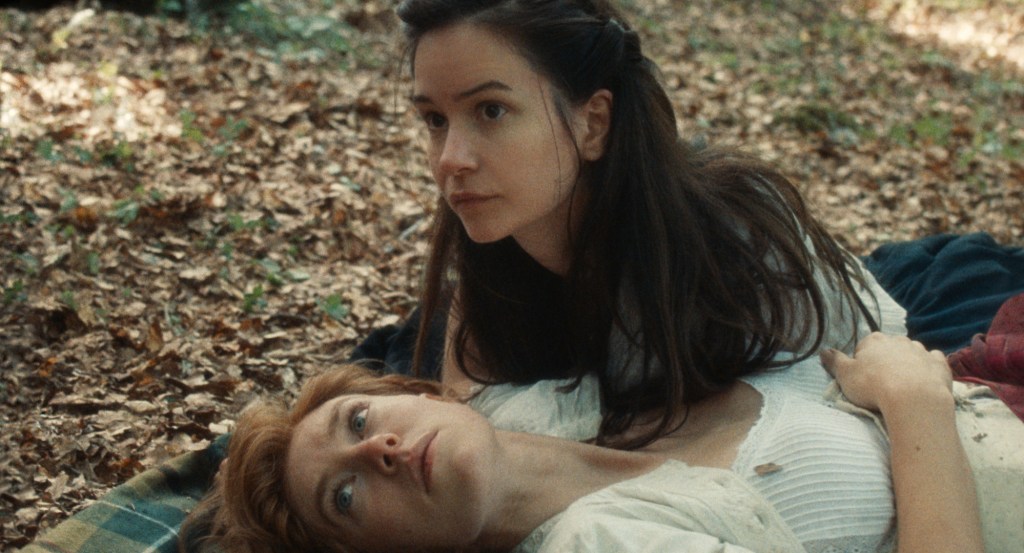
Contrasting in the extreme to the Nicolas Cage film earlier today, Mona Fastvold’s The World to Come is a subdued tale of secretive and forbidden queer desire on the 19th century frontier. When Tallie (Vanessa Kirby) and her husband (Christopher Abbott) move to the area, Abigail (Katherine Waterston) is quickly drawn to the enigmatic red-haired woman who slowly breathes new life into her day-to-day doldrums with her husband Dyer (Casey Affleck). The film moves slowly over the course of a few months as the two women draw closer together and their chemistry blossoms.

In terms of visuals, The World to Come delivers incredibly lush and beautiful images of the country landscapes throughout several seasons. Fastvold delves deeply into Abigail’s narrative here, as her diary is the primary informative device. Waterston’s incredibly contained voice-over narration for her many diary entries guides us along as she develops feelings for Tallie. Kirby and Waterston’s chemistry is undeniable as the spaces between them slowly shrink as the pair become more comfortable with each other. Fastvold utilizes natural lighting for the internal sequences in the log homes of the women, and for the most part it is very effective. But there are a few moments when the darkness was a bit too overwhelming and swallows the characters into the dark spaces.

In the Q&A for the film, Fastvold discusses how the cinematographer André Chemetoff shot the film on 16mm to capture more grain and a more filmic image. Additionally, she talks about how the title is meant to suggest how same sex love is part of the world to come, and how it was a sign of hope for the future to see these women in this time stuck with the societal norms and judgment of the period while also commenting on how this is still such a harsh reality for queer folks today.

Overall, this was a very effective and powerful film that deals with the queer issues of the 19th century but also is shockingly relevant to the constant battle for equality that is continually fought every day. This was a nice film to wrap up the Sundance Film Festival screenings for the week, and I’m glad that I got a chance to see a new film produced by Christine Vachon’s Killer Films early, as her production company has been one of my favorites since I was in college. The virtual Sundance Film Festival experience has been incredibly well-handled with the app on the Firestick being very easy to use. So, keep up the great work folks that organized everything during this hectic pandemic time. Thanks again to my friend Lee for making this possible! What a great week for film, indeed!

Standard

Sundance Film Festival 2021: Prisoners of the Ghostland

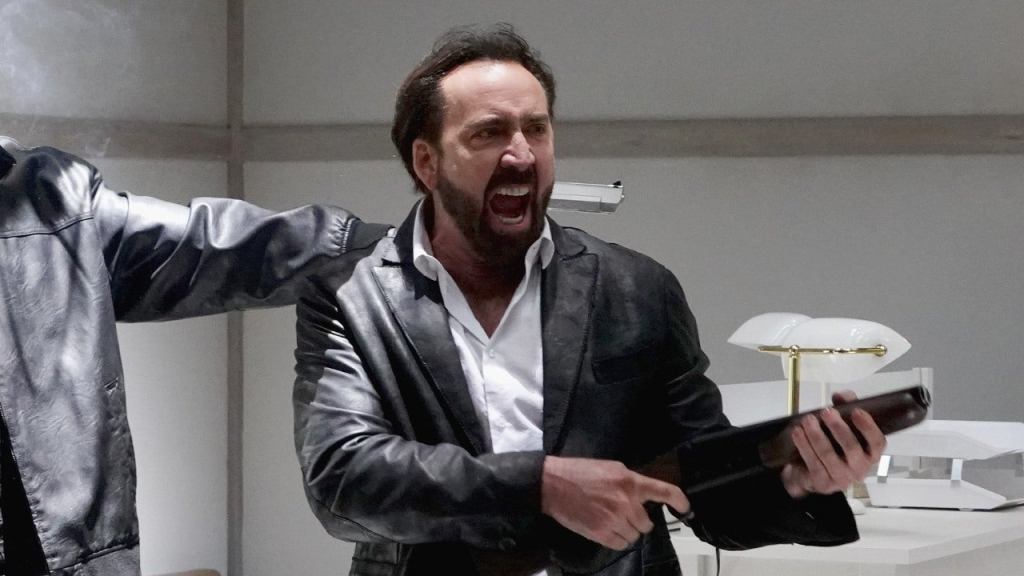
Nicolas Cage films are always a wild ride. In general, you kind of know what you’re in for when you pop one of Cage’s more recent films in. Prisoners of the Ghostland is Japanese auteur Sion Sono’s first film to be shot in English. Known for his violent films like Suicide Club (2001), Sono gives us a film that he describes as a hybrid of “East Meets West,” paying tribute to samurai films, spaghetti westerns, tales of revenge, and so much more. It’s a colorful concoction of neon and vibrant colors that really elevate the violence beyond simple blood splatter. Due to its beautiful cinematography and fun action sequences, this is a film that would greatly benefit from being seen on the big screen.

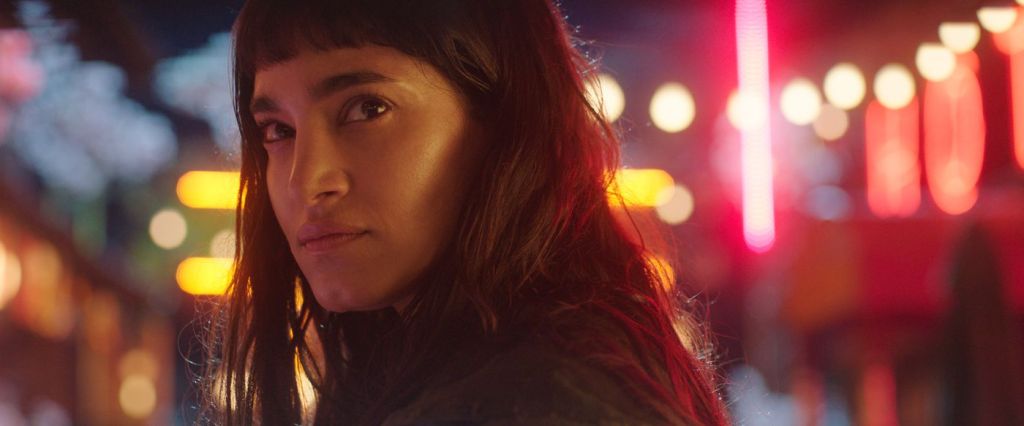
Nicolas Cage plays a character simply named Hero, who is released from jail by The Governor (Bill Moseley) forcing him on a quest to rescue Bernice (Sofia Boutella). The Governor claims that his granddaughter has been kidnapped. Hero is fitted with a leather jumpsuit that has small bombs aptly placed in areas that can blow up if he makes a mistake (naturally there are two fitted to his crotch! Ha!). What follows is a truly wild ride with Hero finding out that The Governor may not be telling the truth. The film also makes comments on nuclear fallout and how the aftermath of the bomb has impacted Japanese culture.

I’ve been a huge fan of Sofia Boutella, through her films like Climax (2018), Atomic Blonde (2017), Star Trek Beyond (2016), Kingsman: The Secret Service (2014). Boutella is always beyond incredible at uniting powerful physicality and intense action training with strong emotional performances (particularly in Climax!), and Prisoners of the Ghostland is no exception. In the Q&A Boutella speaks about how the fighting choreography melded with her intense dance training background as her performance is always so controlled and rhythmic.

Sion Sono discusses how they had originally planned on shooting the film in Mexico, but due to the director having a heart attack during pre-production, they ended up shooting in Japan instead. While initially disappointed by this, as he was so excited about shooting in locations that mirrored his favorite spaghetti western films, he grew to love the hybrid look of the film that the crew was able to create. Personally, I absolutely loved the look of the film and the hybrid style left a very memorable impression that I’m excited to revisit later.

This is a prime example of a film that is destined to be a cult classic. Nicolas Cage gives a memorable and fun performance where he, as is expected, just fully embraces the craziness. If you’re a fan of Cage, director Sion Sono, Boutella, or Bill Moseley, do not miss this one. It’s just pure genre glory that needs to be seen. Just give in and enjoy yourself. Here’s hoping that Prisoners of the Ghostland finds success when it is released later.

Standard