31 Days of Slashers: Popcorn (1991)

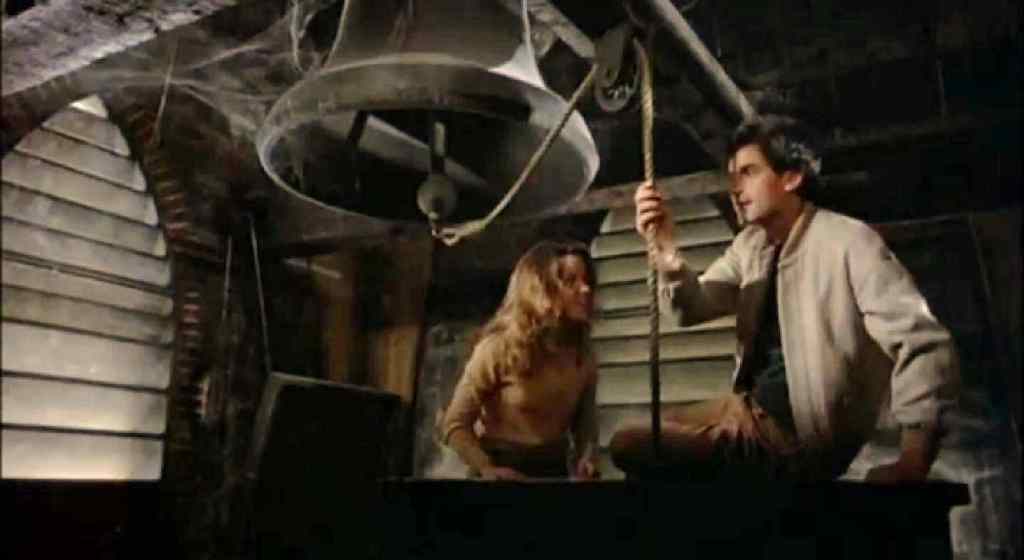
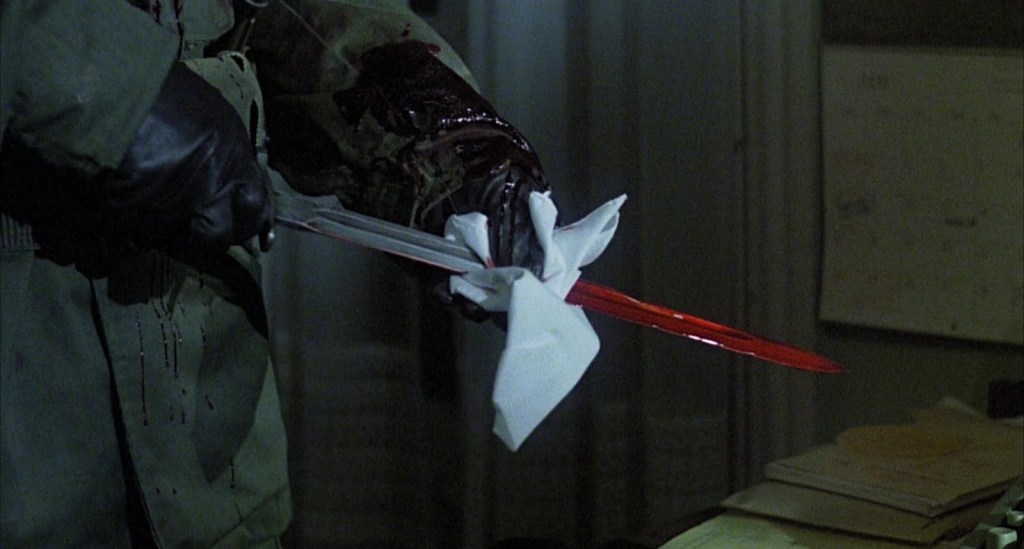
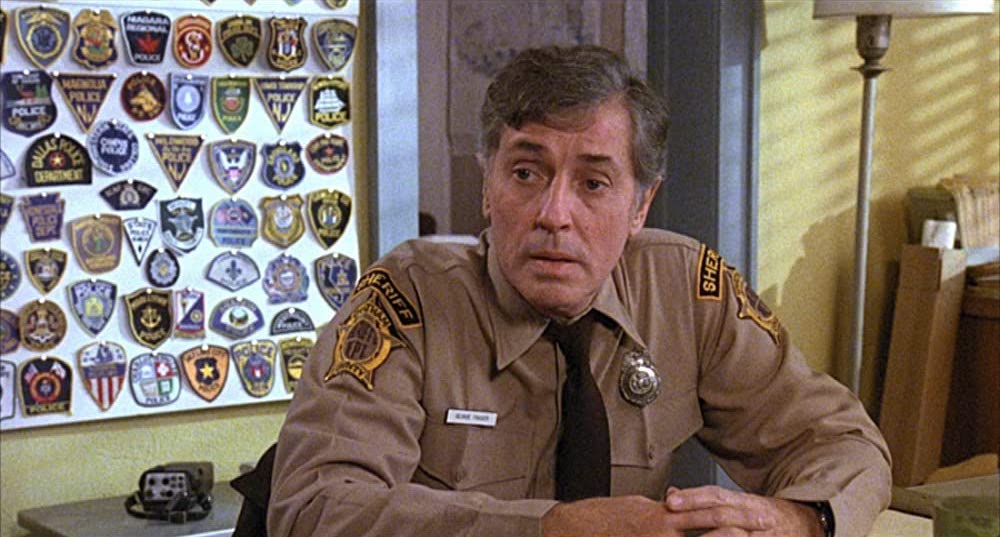
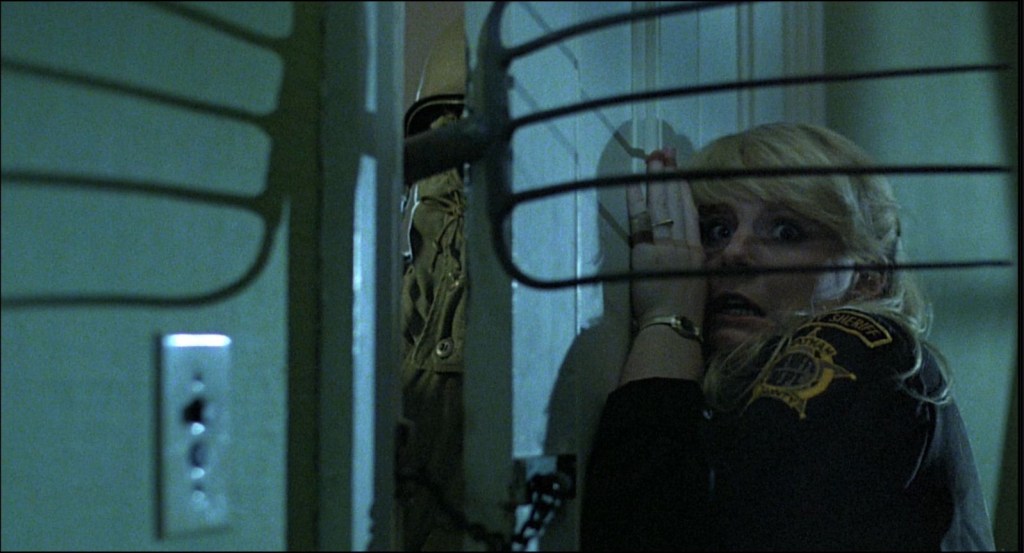
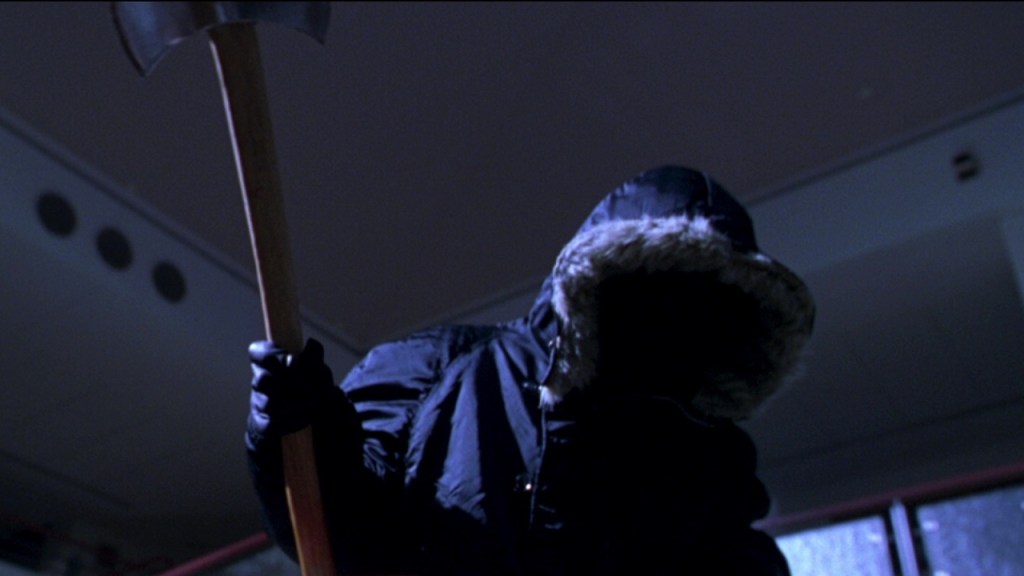
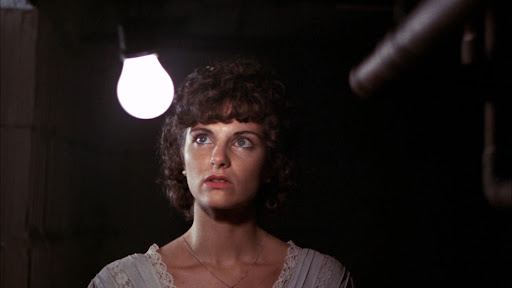
The twenty-first film in the 31 Days of Slashers series is Mark Herrier’s Popcorn (1991). Maggie (Jill Schoelen) is a film student at a university whose film department is struggling financially. Maggie and her classmates decide to host a horror film festival to raise money for the department. The closed theatre that they select to host the event was once the site of a fire that resulted in the death of an entire family. When preparing for the event, the students discover a short film called Possessor made by Lanyard Gates, who it turns out killed his family in the theatre after finishing the film. Will their event be successful? Or could Lanyard Gates still be alive and looking for more people to murder?

As a film student myself, Popcorn is naturally a slasher film that I love greatly. It features so many fun references to classic horror films of the 1950s through the films the students decide to screen at their event. There are nods to many of the legendary producer William Castle’s theatrical gimmicks that the students use to bring in bigger audiences, such as retro 3D, smell-o-vision, and a large prop mosquito that flies over the festival attendees. It’s interesting to see a film that really navigates the horror genre within its narrative prior to Wes Craven’s Scream. Popcorn never got much attention for its meta narrative, and that is something that definitely should be acknowledged now. While Popcorn was obviously not as financially successful as the Scream franchise, it had a lot to say about horror five years prior to Craven’s iconic slasher.

The performances of Popcorn are also quite good, as the film features Jill Schoelen as protagonist Maggie, Dee Wallace (of E.T. and The Howling fame) as her mother, and an enjoyably over-the-top performance from Tom Villard as Toby. Herrier features some rather disgusting practical make-up effects that are quite effective. The death sequences featured in Popcorn are also particularly entertaining as they often connect with what is occurring onscreen in the films shown at the festival. Herrier does an excellent job of creating a nostalgic aesthetic and vibe that really gives Popcorn an appealing edge against the other slasher films of the early 1990s. This was the point in time where the slasher sub-genre was considered to be on its last legs, with the later entries in the Halloween, Friday the 13th, and Nightmare on Elm Street franchises delivering less and less box office revenue with each new release.
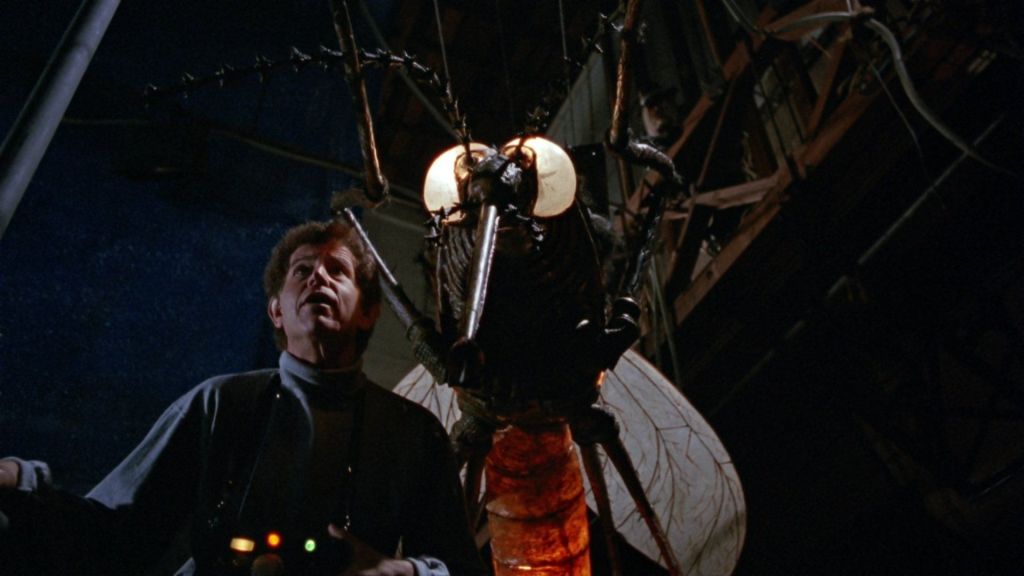
The theatre location in the film is such a perfect set, as well. It provides so many dark corners and creepy hidden hallways for the killer to maneuver through, while also maintaining such a strong sense of nostalgia for local cinemas that are just too few and far between these days. The Dream Land theatre in the film is such a charming location that Herrier utilizes so perfectly for a great chunk of the narrative.

Through its incredibly enjoyable references to classic horror, its fun film department plot, the great use of the theatre as the main setting, and solid performances, Popcorn proves to be a very entertaining little slasher film that is definitely worthy of a watch this Halloween season!

Unfortunately, Popcorn isn’t currently on any streaming platforms. But the Synapse Films blu-ray, which features a fantastic restoration and special features, can be checked out from your local library and purchased HERE.

I’ll be back tomorrow with another entry in the 31 Days of Slashers series!

Standard

31 Days of Slashers: Urban Legend (1998)

The twentieth film in the 31 Days of Slashers series is Jamie Blanks’ Urban Legend (1998). Pendleton University is shocked by the murder of one of its students. Natalie (Alicia Witt) and her friends talk about the murder and tell some stories that they’ve heard about other violent occurrences on campus. Paul (Jared Leto), head of the university’s newspaper, discredits the tales as simple urban legends. As the film progresses, Paul discovers that one incident was actually true and that their American folklore professor (Robert England) was a survivor of the massacre. Soon, Natalie’s friends and fellow students are murdered one by one. Can Natalie discover the identity of the killer before she’s the next victim? Could Professor Wexler be murdering the students in the ways he discusses in his lectures on urban legends?

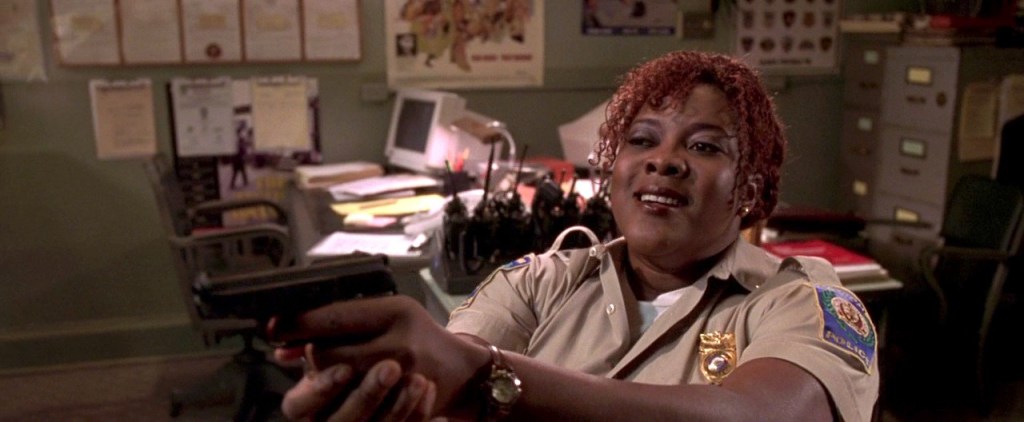
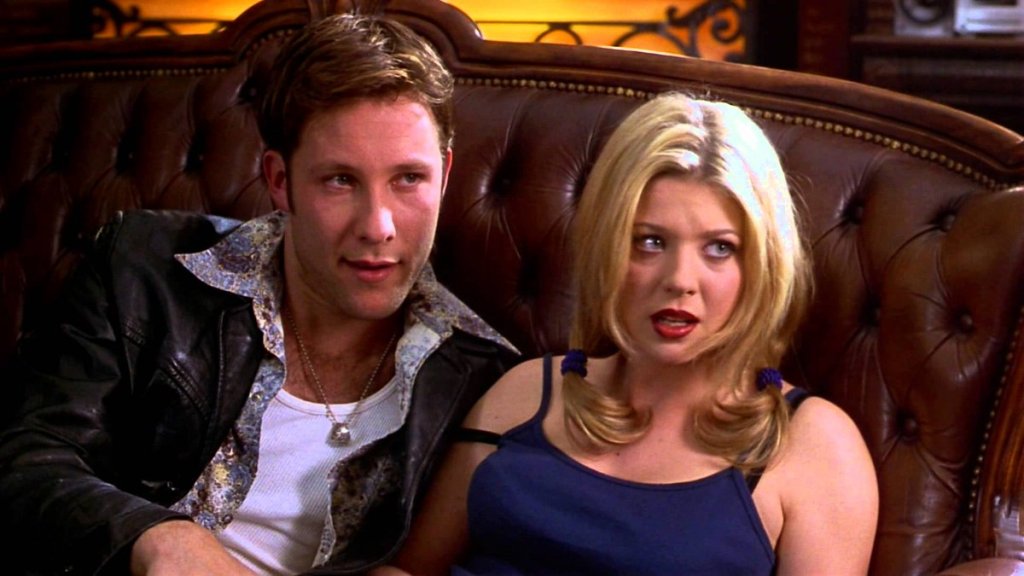
Urban Legend is an absolute blast from start to finish. The young cast is a great draw for this one, in particular, as the film features performances from Alicia Witt, Jared Leto, Tara Reid, Rebecca Gayheart, Michael Rosenbaum, a blonde Joshua Jackson (who can really pull off the bright hair color), and Danielle Harris (the young Jamie Lloyd in the fourth and fifth Halloween films). My absolute favorite performance of the film, however, is Loretta Devine as campus security officer Reese Wilson. Devine steals every single scene she is featured in, and her character’s love of Pam Grier is just another glorious touch to this fun film.

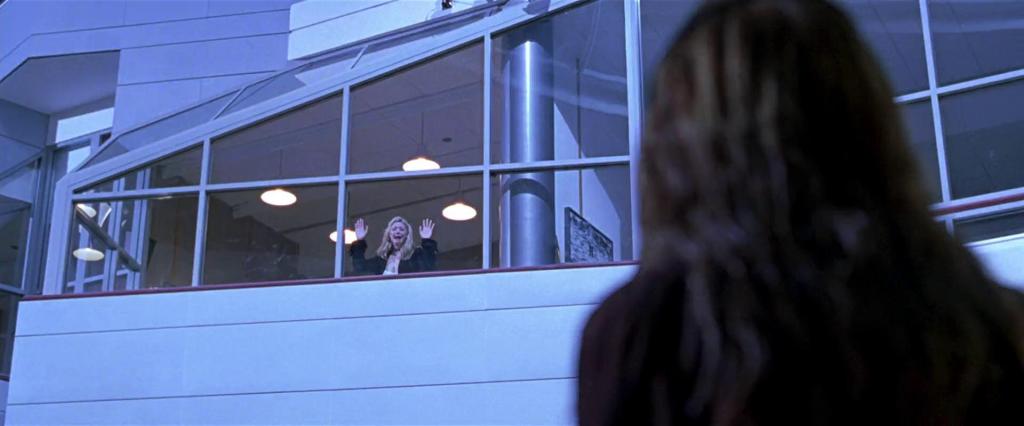
We’re returning to another fantastic slasher film directed by Jamie Blanks, whose Valentine (2001) I discussed earlier in the month. Blanks delivers excitingly staged death sequences and brings a very engaging visual style to the film. One of the absolutely brilliant moments that always stays with me is the opening sequence of the film, where Michelle (Natasha Gregson Wagner) stops for gas and as she drives away, the gas station attendant (Brad Dourif) tries to tell her that someone is hidden in the back of her SUV. Blanks highlights the moment by playing “Total Eclipse of the Heart” by Bonnie Tyler on the radio in the car. As she sings “Turn around…” the killer moves into view, starting the film off with a thrilling death sequence but also a lovely burst of comedic irony. The film features many fun moments like this and references to other films in the genre.

Written by the late Silvio Horta, who was greatly talented and is greatly missed, the film breathes fresh life into the slasher boom of the late 1990s. By integrating the creepy legends that are always passed around by friends at school, around campfires, and at sleepovers, Horta created a narrative that reaches out to everyone. Regardless of what you are afraid of, at least one of the legends represented in the film will take you back to discussing them with friends. When I read a book about urban legends in middle school, the one that always spooked me the most was the tale of the killer that waited underneath cars to slash the ankles of his victims as they finish their shopping. Silvio Horta was also the creator of two television shows that I really loved: Ugly Betty (2006-2010) and Jake 2.0 (2003-2004).

Through its fantastic performances, its excellently staged death sequences, and its fun references to countless urban legends, this film is an essential watch this Halloween season. If you haven’t seen it yet, what are you waiting for? Do yourself a favor and check out this classic slasher from the late 1990s.

Urban Legend is streaming for free on the Tubi and Pluto TV apps and can be rented on Amazon, DirecTV, Google Play, Redbox, and YouTube. The Shout! Factory blu-ray, which features a treasure trove of special features and an excellent transfer, can be bought HERE.

I’ll be back tomorrow with another entry in the 31 Days of Slashers series!
Standard

31 Days of Slashers: The House on Sorority Row (1982)

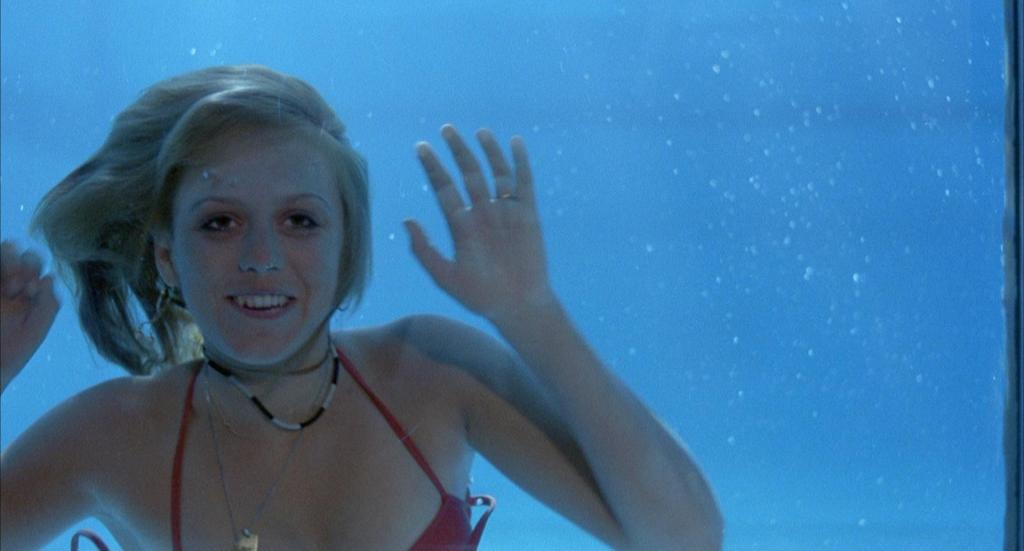
The nineteenth entry in the 31 Days of Slashers series is Mark Rosman’s The House on Sorority Row (1982), also known as House of Evil. Katey (Kathryn McNeil) and her friends in the Pi Theta sorority are finally graduating. Their plans to host a party to celebrate are rejected by their stern house mother Mrs. Slater (Lois Kelso Hunt). After Mrs. Slater slashes Vicki’s (Eileen Davidson) waterbed after catching her with a boy in the sorority house, Vicki develops a plan to get back at her. Katey and the other girls join in. Vicki takes Mrs. Slater’s cane and throws it into the abandoned pool in the backyard of the sorority and the girls force Mrs. Slater, at gunpoint, to go in and recover it. Naturally, something goes wrong, and Mrs. Slater ends up dead. Soon, the girls start dying left and right. Will Katey be able to discover who is killing them? Could it be Mrs. Slater? Or someone else?

Rosman’s film features a pretty drastic prank that obviously goes horribly awry, as is often a trope in the slasher genre. One thing that makes the film stand out from its peers is the antagonistic and violent personalities of the sorority girls. This goes against the typical portrayal of sorority girls as simply sex-crazed and flirtatious. While that does still apply to some of the girls, their role in the prank against Mrs. Slater drives them all over the edge. Narratively, this gives the characters a bit more depth, allowing them to explore themes of remorse and regret.

It is also interesting that this is Mark Rosman’s first film as a director and screenwriter. He would go on to direct two popular romantic comedies starring Hillary Duff: A Cinderella Story (2004) and The Perfect Man (2005). Rosman does a nice job of expanding the characters beyond their typical stereotypes and also providing a solid mystery for Katey to solve. The film also utilizes the campus locations quite well. He even throws in a nice party with a live band which, as I’ve said before and will probably say again, is something that I absolutely love about slasher films from the 1980s.

Kathryn McNeil turns in a solid performance as Final Girl Katey, providing the character a complex identity as she struggles with her guilt and remorse following the death of Mrs. Slater at the hands of the Pi Theta girls. Eileen Davidson gives a very fun and enjoyable turn as the rather evil Vicki. Lois Kelso Hunt as Mrs. Slater is perhaps my favorite performance of the film. She just captures the over-the-top meanness of the character perfectly. The chemistry between the girls and Mrs. Slater is also very enjoyable, as well.

Through its engaging narrative, solid performances, and decent direction, The House on Sorority Row proves that it is definitely worth a watch this Spooky Season!

The House on Sorority Row can be streamed for free on the Tubi, Hoopla, and Roku apps. It can also be rented on Amazon, Vudu, Google Play, and YouTube. The MVD Rewind Collection blu-ray can be purchased HERE.

I’ll be back tomorrow with another entry in the 31 Days of Slashers series!
Standard

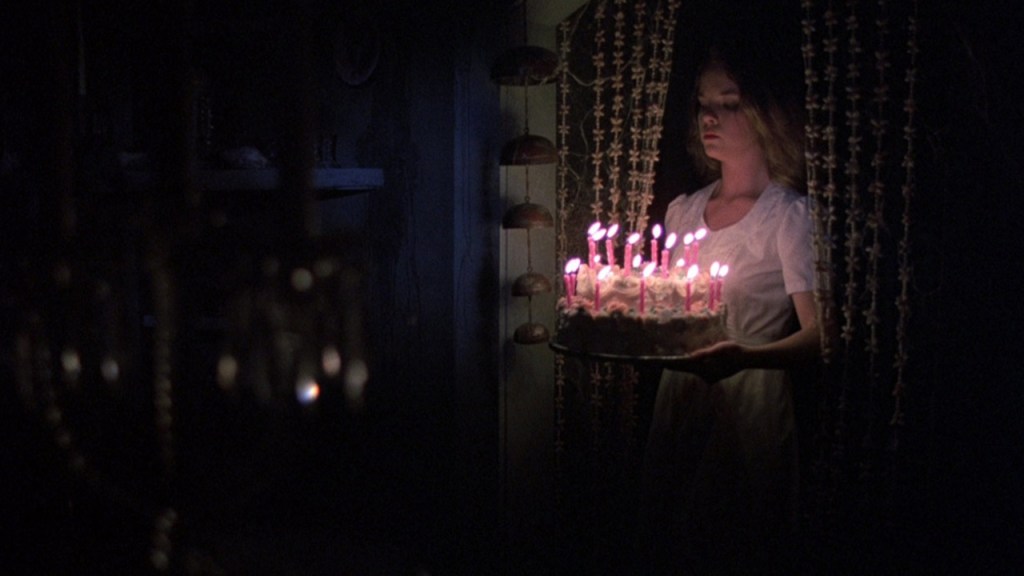
31 Days of Slashers: Happy Birthday to Me (1981)

The eighteenth entry in the 31 Days of Slashers series is J. Lee Thompson’s Happy Birthday to Me. Ginny Wainwright (Melissa Sue Anderson of Little House on the Prairie fame) is one of the popular girls at school. She and her friends are members of the “Top Ten,” the coolest and most privileged kids at Crawford Academy. One of her friends is killed when the friends are meeting at the local tavern. Soon, more of the “Top Ten” members begin dying. Ginny visits her therapist because she thinks that she might be killing them in blackouts connected to the death of her mother when she was younger. Is Ginny really killing her friends? Or is someone else killing them off in a countdown to Ginny’s birthday?

While not perfect by any means, Happy Birthday to Me gives the viewer everything that they’d want in a slasher film from 1981. There are very fun death sequences, great lead performances, and a decent mystery to unravel. The film was also seized and confiscated during the UK’s video nasty crusade, despite not officially being categorized as a video nasty. Naturally, the buzz surrounding the censorship of the film only added to its box office revenue and video rental success.

The sequences involving the drawbridge are particularly effective and make the film stand out a bit in a year filled to the gills with slashers. The director of the original Cape Fear (1962), J. Lee Thompson provides excellent direction for the film, making it much more visually engaging than many of its peers. Many slashers of the time were directed by filmmakers that were trying to break into the industry. Having such an accomplished director for this film, and one that was not ashamed of the material, is an exciting change of pace. Many professional filmmakers of the time greatly looked down on the genre and wanted nothing to do with it.

The cast of the film is also worthy of note. Anderson delivers a great performance as Ginny, the very complicated and conflicted protagonist. Glenn Ford gives a solid performance as her therapist Dr. Faraday, as well. The rest of the young cast turn in passable performances that convey what they need to for each individual character. Many have accused the film of being a rip off of the Friday the 13th and Prom Night films, but the script for Happy Birthday to Me was actually written before them. That being said, it certainly did benefit from the rise of the slasher craze of the time.

Through its solid direction, decent gore effects, and impressive set pieces, Happy Birthday to Me proves to be a fun little slasher film that is worthy of a watch this Halloween season.

Happy Birthday to Me is available to rent on Vudu, Google Play, Amazon, and iTunes.

I’ll be back tomorrow with another entry in the 31 Days of Slashers series!
Standard

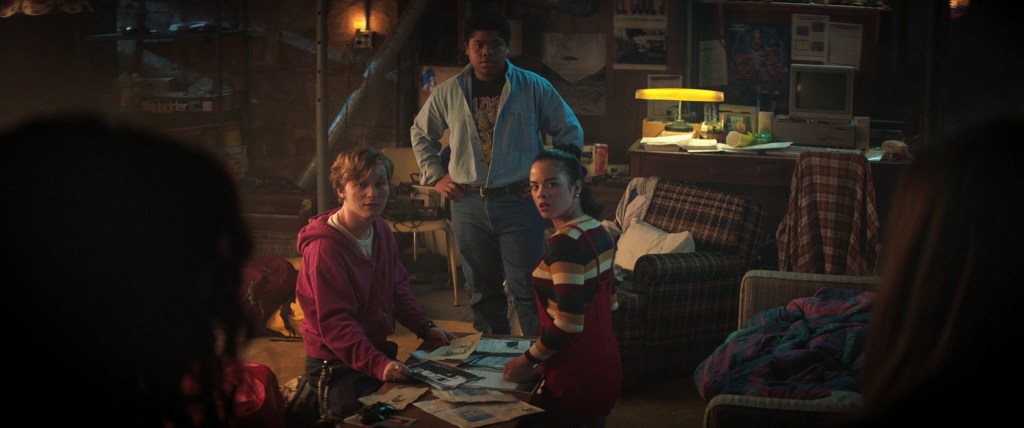
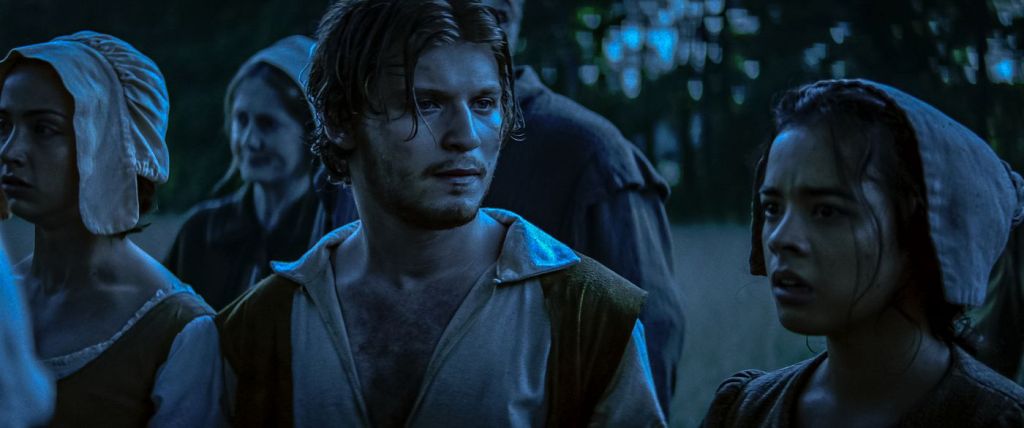
31 Days of Slashers: Fear Street Trilogy (2021)

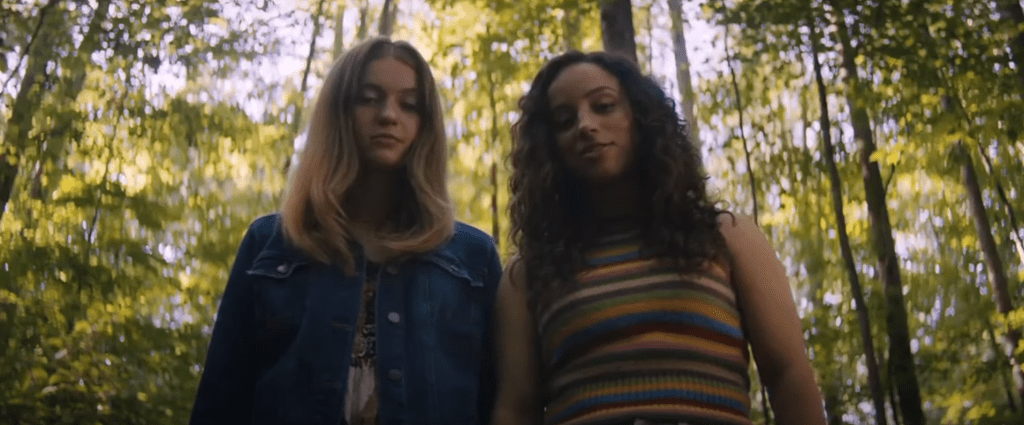
The seventeenth entry in the 31 Days of Slashers series is actually a trilogy of films, Leigh Janiak’s Fear Street: 1994, 1978 and 1666. The town of Shadyside is cursed. Mysterious deaths and murders have been occurring there for years and the legend of evil witch Sarah Feir being at the heart of the curse has been passed down through generations. Deena Johnson (Kiana Madeira) doesn’t believe in any of that and is trying to get over her breakup with her closeted girlfriend Sam (Olivia Scott Welch). When Deena and her friends actually get involved with one of the murders, they discover that the curse may just be real. The trilogy jumps between the 1994 narrative to 1978, to see how another generation is dealing with the curse, and finally to 1666 to see where it all began. Will Deena and her friends be able to end the murderous curse in Shadyside? Or will they too fall victim to the curse of Sarah Fier?

Personally, these films just hit all of the right buttons for me. The story is well-fleshed out and, with three films, is able to delve deeper into areas than most slashers can in just one film. Filming them all at once obviously helps give them a very smooth flow and transition as you jump to the next section. I absolutely loved the world that Janiak has created here. It has the nostalgia of a show like Stranger Things but doesn’t beat you over the head with it. Some have been quick to point out a few historical inaccuracies, such as a particular song being released after 1994, etc. And to that, I simply say, I don’t care. I’m not watching these for a history lesson on the music that was playing on the radio on one particular evening in 1994. These films are incredibly enjoyable and entertaining, and that is more than enough for me.

Naturally, the 1978 film was my favorite, as slasher films from the 1970s and 1980s are my usual go-to for horror, but each film is excellent in its own way. 1994 clearly shows the influence of films like Scream and the other teen slashers of the decade, while 1978 is focusing on the campground slasher model of the Friday the 13th series. There are so many fun references throughout that highlight important horror classics, that you will find yourself greatly anticipating what comes next.

The teen cast is another element of this trilogy that works phenomenally well. Unlike most slasher films, where a decent chunk of the teens are irritating and grating, I absolutely loved all of the teens in this, particularly the main cast of the 1994 film. It is also fun to see the same actors play different characters in the other films as you see them in different time periods. While the accents in the 1666 section may not be the best, some are even a bit comical, they still do a decent job exploring the themes of the trilogy. Madeira as Deena is a particular standout as the entire trilogy rides on her shoulders. She proves that she is capable of taking the reins and holding everything together.

One of the things that stands out the most for me in this trilogy is the tremendous amount of queer representation. The entire trilogy is focused on the queer relationship between Deena and Sam. As the trilogy’s lead, Deena goes against the traditional white heterosexual girl that is most common in slasher narratives. Instead, we have a complex and proud lesbian character that is simply existing. This is not a story of her queer trauma or an exhausting coming-out narrative. This is simply the story of Deena and her friends and how they deal with the violence in their town. While that may not seem incredibly exciting, you need only to think of literally every mainstream slasher film that has been released. How many have featured an out queer lead? Exactly. That this simple characterization is so progressive is astonishing and hopefully it will lead to more horror films being released by the big studios featuring queer protagonists.

If you have not seen these films already, they are an absolute must-watch this Halloween season. As they’re simply streaming on Netflix, they’re very easily accessible and are perfect for a fun binge session with friends. By the films receiving decent ratings, I sincerely hope that Leigh Janiak is given the chance to expand the trilogy into something larger. Personally, I would love a new trilogy of these every summer.

I’ll be back tomorrow with another exciting entry in the 31 Days of Slashers series!
Standard

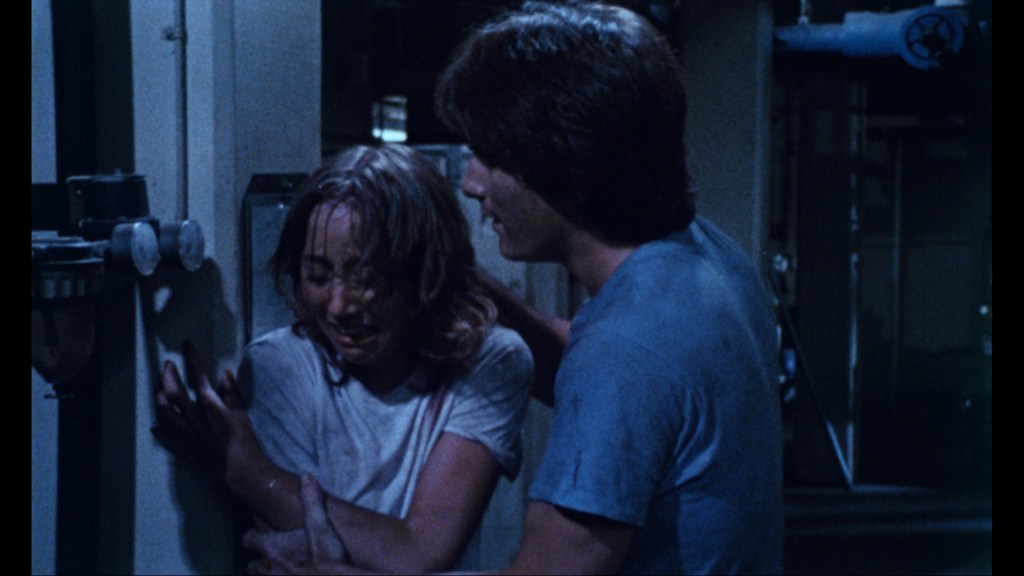
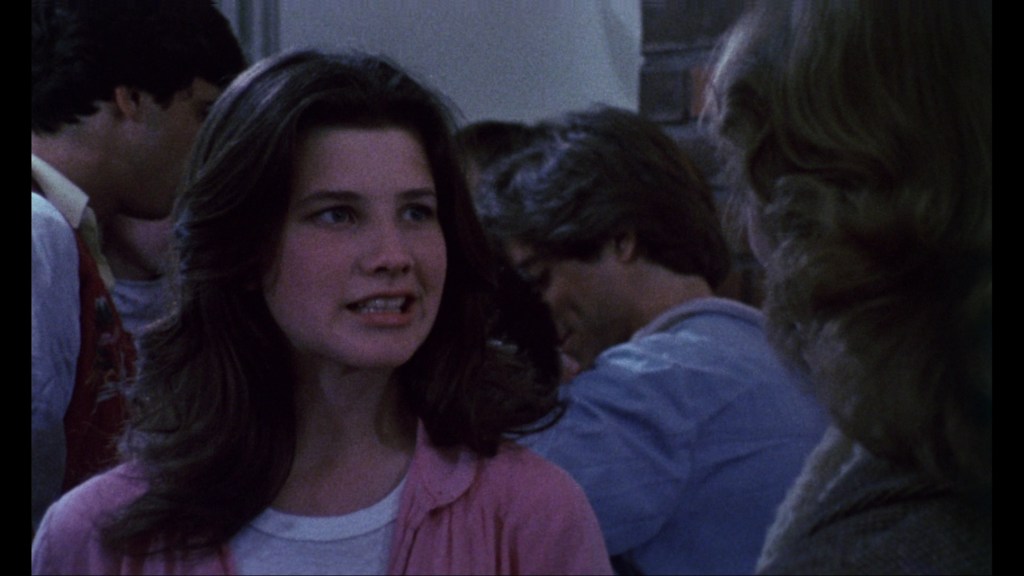
31 Days of Slashers: The Dorm That Dripped Blood (1982)

The sixteenth entry in the 31 Days of Slashers series is Stephen Carpenter and Jeffrey Obrow’s ultra-low budget The Dorm That Dripped Blood, also known as Pranks and Death Dorm (1982). Joanne (Laurie Lapinski) is a responsible college student who is staying over winter break to clean a dorm on campus before it is demolished and turned into student apartments. She convinces her boyfriend Tim (Robert Frederick) and her friends to help her. They quickly notice a creepy man peeking into windows at them and sneaking around the dorm. Soon, bodies begin piling up. Could it be the mysterious man or someone else targeting Joanne and her friends?

While The Dorm That Dripped Blood may be a pretty standard campus-set slasher, Carpenter and Obrow utilize the dorm setting quite effectively to add dark spaces that enhance the scares. They clearly had access to the entire building and they take full advantage of the space. What could have been just any boring college dorm location turns into a really eerie and rundown space. Location plays such a big part in slasher films for me. So often the films can fade into obscurity due to boring locations. This film definitely does the most with what it has and that is always respectable. The directors wrote the script while studying at UCLA and ended up filming it in three weeks in a building on campus over the university’s winter break.

The young cast turns in solid enough performances, with a very brief appearance from Daphne Zuniga as Debbie at the beginning of the film. Laurie Lapinski also proves to be a decent lead as Joanne. The rest may be pretty similar to the standard slasher victims of the majority of the films of the era, but they are enjoyable enough. The unique ending of the film, which is definitely much bleaker than other slashers, definitely sets the film apart from its peers.

With its fun location, impressively decent gore for such a low budget, and its shocking finale, The Dorm That Dripped Blood proves to be an effective little slasher that has definitely slipped under the radar of most horror fans. Check this one out!

Unfortunately, The Dorm That Dripped Blood isn’t featured on any streaming service. But the Synapse Films blu-ray, which features the uncut director’s cut that was originally counted as a Video Nasty, can be checked out from your local library and can be purchased HERE.

I’ll be back tomorrow with another exciting entry in the 31 Days of Slashers series!

Standard

31 Days of Slashers: Road Games (1981)

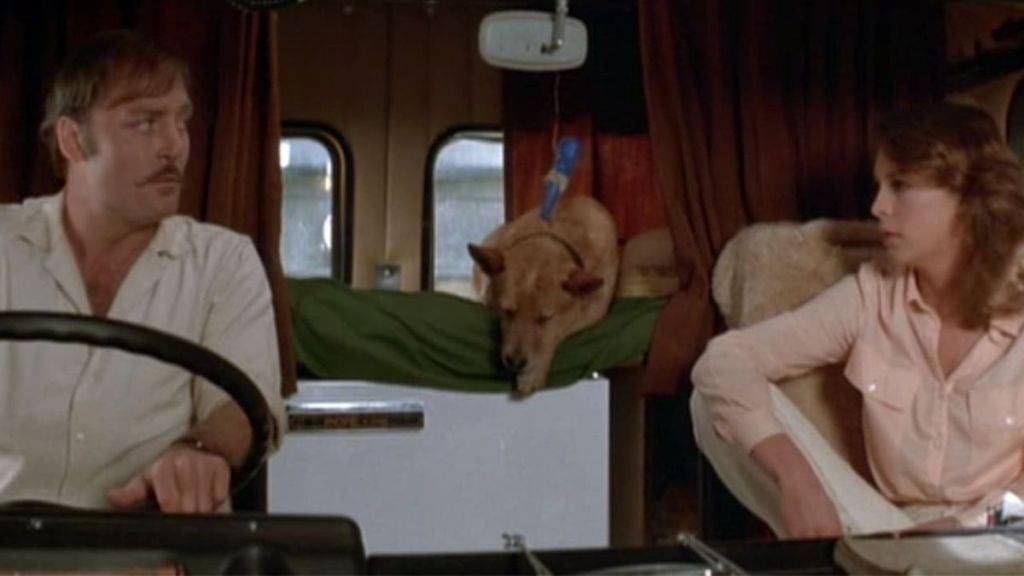
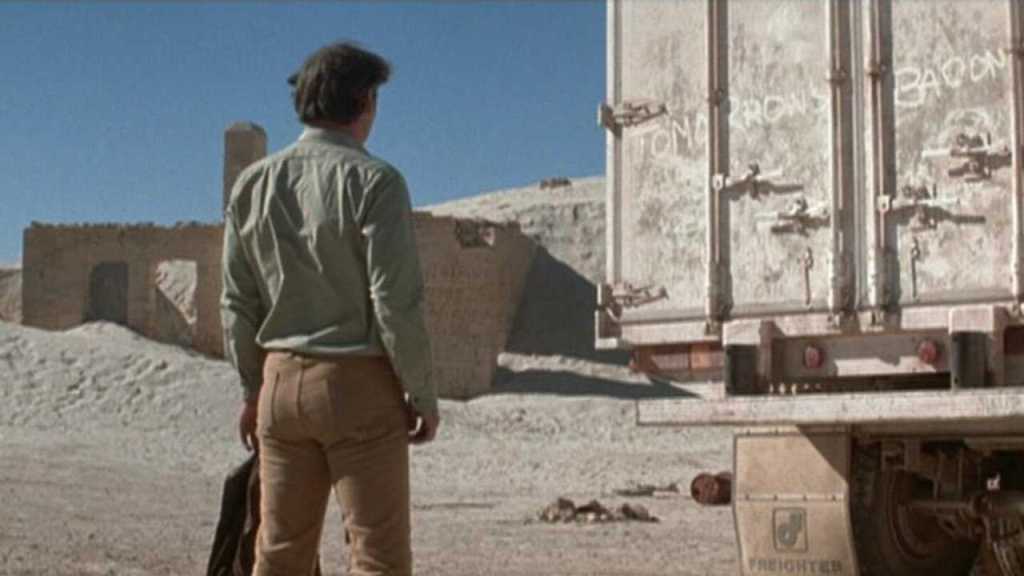
The fifteenth entry in the 31 Days of Slashers series is Richard Franklin’s Road Games. Patrick Quid is driving a large shipment of pigs across the Australian wilderness. On the road, he stops at a hotel for the night and sees a man checking in with a female hitchhiker. The next morning, his dingo begins sniffing the garbage outside the hotel. After picking up more of his shipment, he finds out that the hitchhiker had been murdered at the hotel. He ends up on a wild chase following the killer’s creepy van, but the police start thinking Patrick may be involved in the murder, as well. He pairs up with Pamela “Hitch” (Jamie Lee Curtis), a hitchhiker that he picks up. Will they be able to catch the killer? Or will Patrick and “Hitch” be the killer’s latest victims?

The main draw of this film is Stacey Keach. His performance, which is primarily just him isolated in the cab of his truck for great chunks of the film, is actually quite complex. Keach’s Patrick runs between comedy, intensity, and genuine emotion. He also has a really fun rapport with the dingo that he travels with. And we’ve come to another exciting chapter in Jamie Lee Curtis’s early horror career. She gives a great deal of humanity and drama into her character that really proves to enhance Patrick’s character while on this violent quest.

The mystery surrounding the killer of the film proves to be quite creepy, actually. While most slashers don’t actually creep me out, the killer in Road Games actually managed to spook me a bit. I particularly loved the intensity when Patrick and “Hitch” investigate the killer’s van. The suspense as “Hitch” is searching the van, while Patrick is keeping the killer distracted in the bathroom, is quite intense. It’s nice to have a killer in a slasher film that you don’t really get to see as they commit their murders.

Franklin does a really great job of utilizing the Australian landscapes to truly convey the isolation that truck drivers feel on long journeys. Matching the repetitive wilderness with the bursts of violence by the killer makes for a perfect distraction for Patrick as he gets bored on his long drive. The threat of nature, a great factor in Australian horror films of the time, is constantly present, as well. If something were to happen to Patrick’s truck, he would just be stuck in the middle of nowhere. This adds an engaging level of intensity to the film that definitely separates it from other slasher films of the time where the characters are just in suburban neighborhoods or on college campuses.

Through it’s solid performances, the mystery of the killer, and the use of the Australian wilderness as such a threatening force, Road Games proves to be a really engaging slasher that should definitely be a part of your Halloween viewings this month!

Road Games is currently available to rent on Vudu, Amazon, iTunes, Youtube, and Google Play. You can buy the Shout! Factory blu-ray, which features an excellent restoration and special features, HERE.

I’ll be back again tomorrow with another great entry in the 31 Days of Slashers series!

Standard

31 Days of Slashers: Sleepaway Camp (1983)

The fourteenth entry in the 31 Days of Slashers series is Robert Hiltzik’s Sleepaway Camp (1983). Following the death of her father, Angela Baker (Felissa Rose) lives with her eccentric Aunt Martha (Desiree Gould) and cousin Ricky (Jonathan Tiersten). Martha decides to send her niece and Ricky to Camp Arawak for the summer. The target of multiple bullies and unpleasant adults, Angela remains rather introverted. Soon, violent murders start occurring. Who could be killing the campers and the counselors of Camp Arawak? Are Angela and Ricky next?

Most well known for its incredibly shocking twist ending (no spoilers here!), Sleepaway Camp also provides a rather fresh and darkly comic take on the campground slasher concept. Instead of adult camp counselors being the sole target of the killer, as is the case in several of the Friday the 13th films, children are being killed here, as well, greatly escalating the stakes and intensity of the narrative. Hiltzik manages to weave together the comic aspects of the film quite well with the gory death sequences. The film balances out quite nicely.

The campy aesthetic and performances are one of my favorite elements of Sleepaway Camp. From the very beginning of the film where Angela’s father and his gay lover are accidentally killed in a boating accident, Hiltzik sets the over-the-top tone of the film. It is greatly accentuated with the absolutely wild performance of Desiree Gould as Aunt Martha. Her costuming, incredibly dramatic mannerisms, and way of speaking add an absurdly comic touch to the film. Additionally, Karen Fields as Judy, the meanest of Angela’s bullies at camp, steals every scene she is in with her highly-pronounced side-ponytail. The film is also chock full of over-the-top costuming choices, with nearly non-existent crop tops and minuscule short-shorts worn by several of the male camp counselors. While many would argue that the film has a queer subtext, I would say that there is nothing subtextual about the queerness of Sleepaway Camp. Its queer themes are directly visible from the beginning to the end.

While children performing in horror films can often be rather grating or even incredibly annoying, Felissa Rose, Jonathan Tiersten, and Christopher Collet (Paul, a boy who has a crush on Angela) turn in fantastic performances that really fit the vibe of the film. Rose’s turn as Angela is particularly iconic and I continue to mourn the fact that she was not asked to return for the second and third film in the franchise, which turned into full-on comedies instead of the more enjoyable horror/comedy hybrid that Hiltzik establishes in this film.

Through its campy aesthetic and tone, its iconic performances, and its twist ending, Sleepaway Camp is an absolute essential for every Halloween viewing list this month!

Sleepaway Camp is currently streaming for free on the Tubi and Peacock apps and with a membership on the AMC+ and Shudder apps. The Shout Factory! blu-ray, which features an excellent restoration and special features, can be purchased HERE.

I’ll be back tomorrow with another exciting entry in the 31 Days of Slashers series!

Standard

31 Days of Slashers: The Abominable Dr. Phibes (1971)

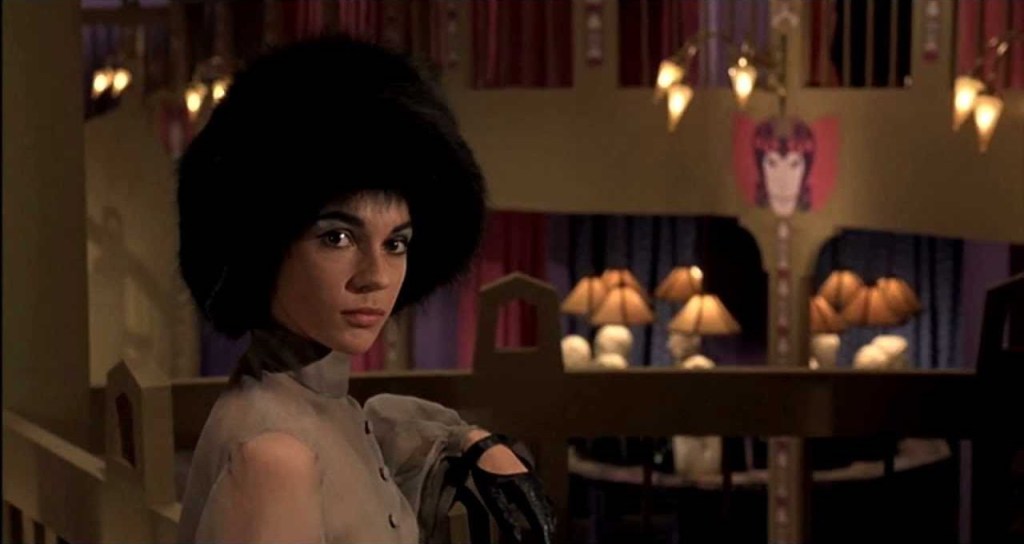
The thirteenth entry in the 31 Days of Slashers series is the truly bizarre and incredible The Abominable Dr. Phibes (1971). While a bit more of a hybrid of slasher, mystery, and comedy, Dr. Phibes still qualifies as an early film in the history of the slasher sub-genre. Famous organist and music theorist Dr. Anton Phibes (Vincent Price) was in a car accident four years ago that resulted in the death of his wife during surgery. Unable to speak and terribly burned, Phibes survived the crash. He secretly returns to London to take revenge on the surgeons and doctors that he feels are responsible for the death of his wife. Taking inspiration from the Ten Plagues of Egypt from the Old Testament, murders start occurring and Scotland Yard is eager to stop the killings. They team up with Dr. Visalius (Joseph Cotton), one of the surgeons that operated on Phibes’ wife, to end his reign of terror. Will they be successful?

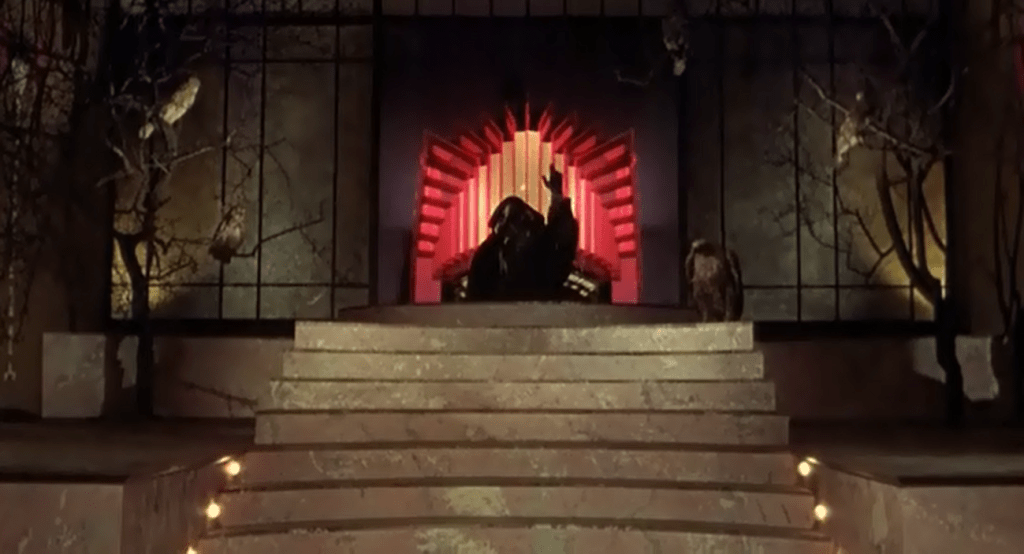
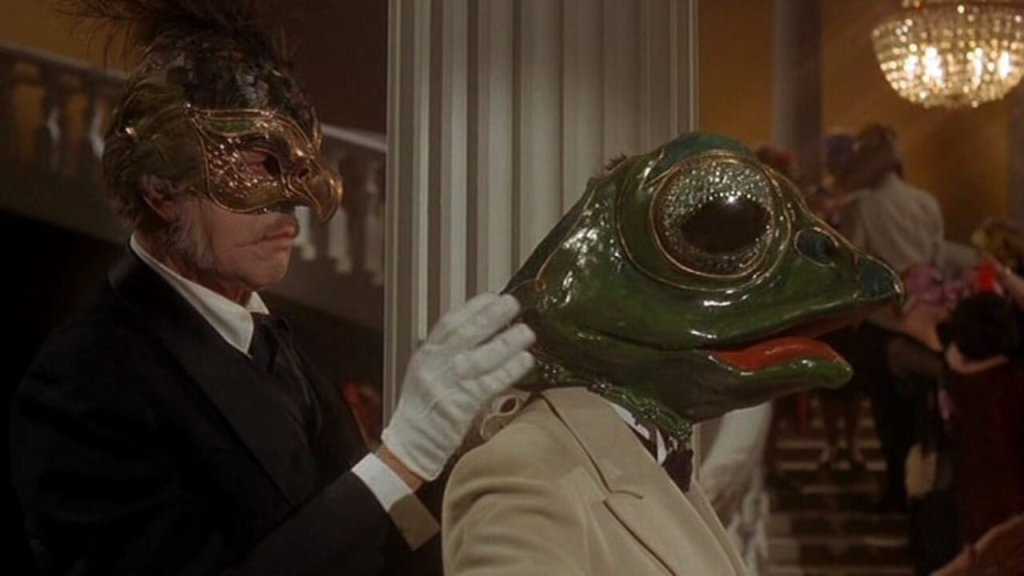
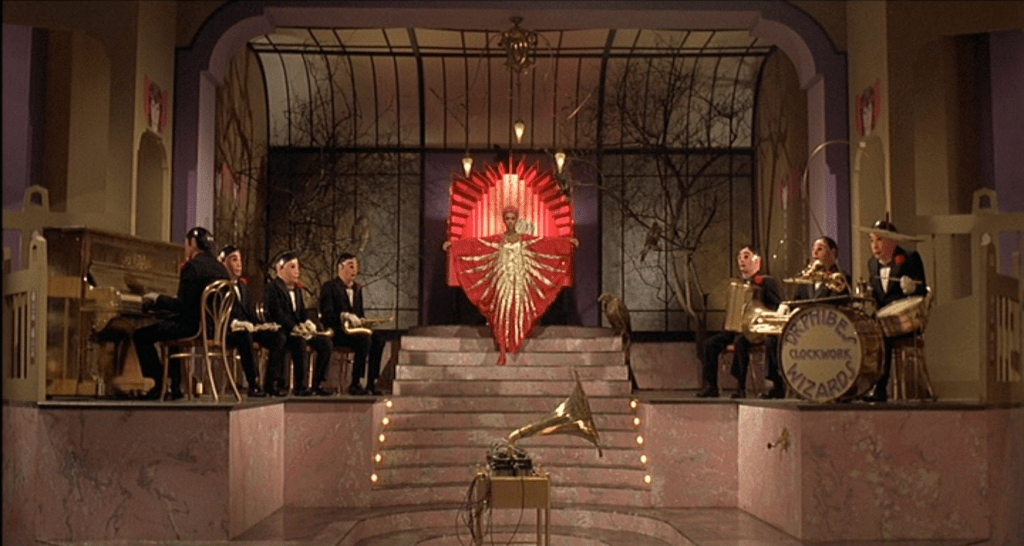
The Abominable Dr. Phibes features a staggeringly beautiful production design that is filled to the brim with art deco inspirations and lavishly colorful set pieces. The costumes, the props, and the aggressively red blood of the film create an aesthetic that you will find incredibly captivating and engrossing. Dr. Phibes is truly a sight to behold and one that will definitely benefit from future viewings as you will absorb more of the startlingly rich details of the film.

Vincent Price is obviously the main draw of this film. His performance of Phibes is a campy and captivating delight that manages to be both incredibly entertaining but also bizarrely menacing. While he is clearly reveling in the evil of the film’s main character, he never takes his performance into the truly over-the-top area that can often accompany films that deal heavily with camp. Price, as always, is an absolute joy to watch in every frame that he is featured in.

The dark humor elements of the film also work well with the rather disturbing death sequences that Phibes stages. One particular death sequence that stands out is when a man is pinned to the wall by a unicorn statue and Scotland Yard has to turn his body to spiral it off of the statue’s horn. It’s the oddly comic moments like this that allow Dr. Phibes to transcend the traditional categorization of horror and become its own entity. It does feature multiple violent death sequences but it also incorporates a great deal of dark humor and camp into the mix.

Through its stunning images and production design, its lead performance that could not have been delivered by anyone other than Vincent Price, and its dramatic and bloody death sequences, The Abominable Dr. Phibes proves to be an essential Halloween viewing this spooky season.

Unfortunately, The Abominable Dr. Phibes is not currently on any streaming service. The Shout Factory blu-ray release of The Vincent Price Collection, of which this film is one of six featured, can be bought HERE and checked out from your local library.

I’ll be back tomorrow with another exciting entry in the 31 Days of Slashers series!
Standard

31 Days of Slashers: The Prowler (1981)

The twelfth entry in the 31 Days of Slashers series is another film from 1981, The Prowler. The film begins in 1944, as Rosemary writes a letter to her enlisted boyfriend saying that they need to break up. A year later, she’s attending her school’s graduation dance with Roy, her new boyfriend. The pair go to Lover’s Lane to neck in the car, and are soon both impaled with a pitchfork by someone in a military uniform who leaves behind a red rose with the bodies. 35 years later, the university has finally decided to hold the graduation ball again, leaving behind the violent history of the event. Pam (Vicky Dawson) is overseeing the dance with her friends. Soon bodies begin to pile up, as a prowler in a military uniform continues to leave red roses by his victims. Could it be Rosemary’s ex-boyfriend seeking more bloody carnage?

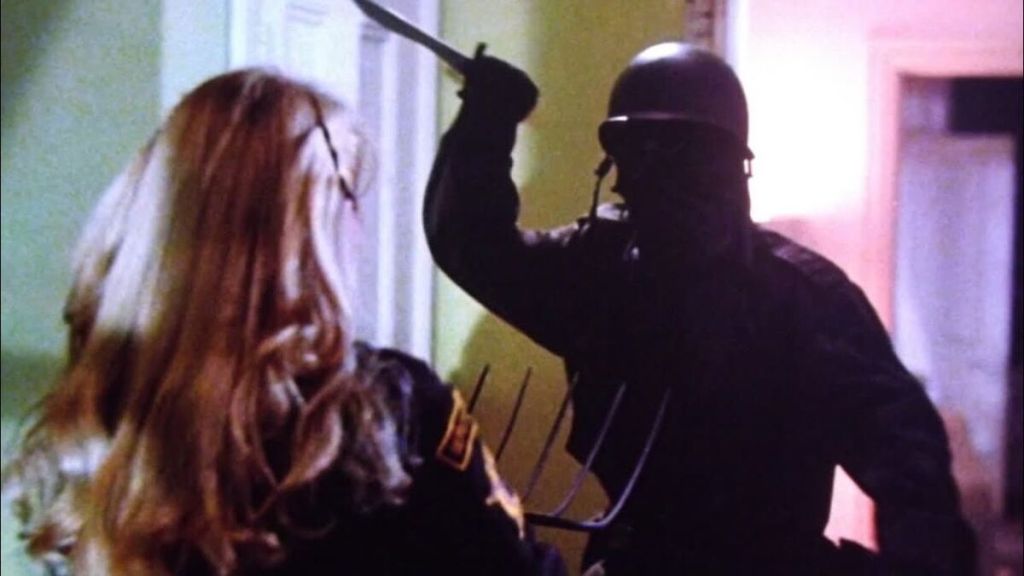
Directed by Joseph Zito, The Prowler features incredible practical gore effects by Tom Savini. Zito and Savini would end up working together again on Friday the 13th IV: The Final Chapter (1984). As with all of Savini’s work of the time, the practical effects look spectacular and make the film stand out from its peers. The titular prowler’s military uniform is also particularly effective as the creepy facade of the killer.

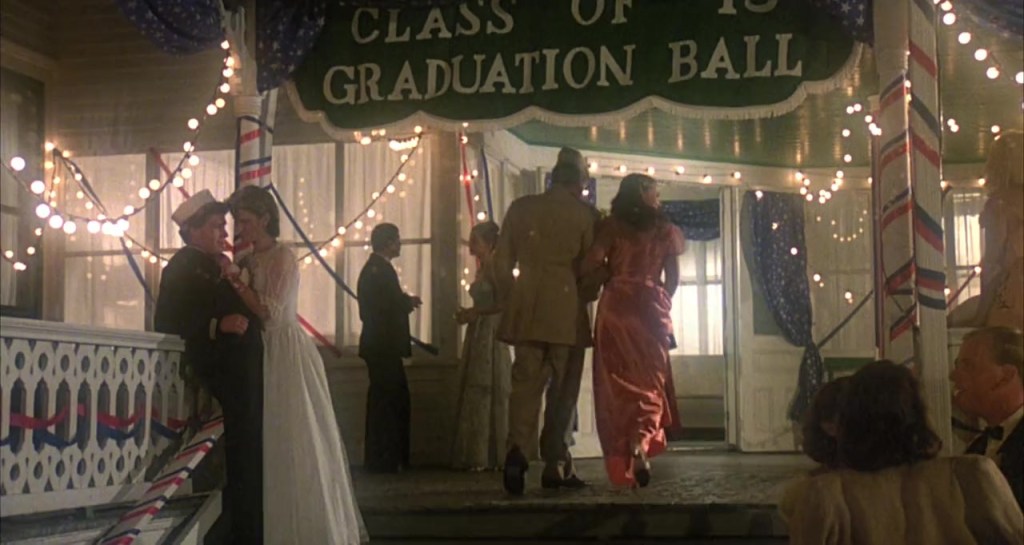
The film features a solid aesthetic that really takes advantage of the WWII era during its opening sequence. The setting of the graduation ball gives an air of elegance to the whole affair that is not common with slasher films of the era. The beauty of the set design and the location of the ball provides a stark contrast to the brutal murder sequences that Zito showcases throughout the film. The concept of a traumatized veteran from WWII as a villain was also quite controversial at the time.

The Prowler also features a strong supporting cast with Farley Granger starring as Sheriff Fraser. Granger is most well-known for his leading roles in Alfred Hitchcock’s Rope (1948) and Strangers on a Train (1951). It’s fun to see the classic Hollywood actor turning in a solid performance in this standout slasher. I always really love when legendary actors pop up in horror films of the 1980s. Vicky Dawson’s Pam also proves to be a strong and capable Final Girl character.

Through its interesting WWII angle, its excellent practical gore effects, and its solid performances, The Prowler proves that is another great addition to your Halloween watchlist this year!

The Prowler can be streamed for free on the Tubi and Vudu apps and with a membership on the Arrow Player app. The Blue Underground blu-ray, which features a solid restoration, can be bought HERE.

I’ll be back tomorrow with another exciting entry in the 31 Days of Slashers series!

Standard